

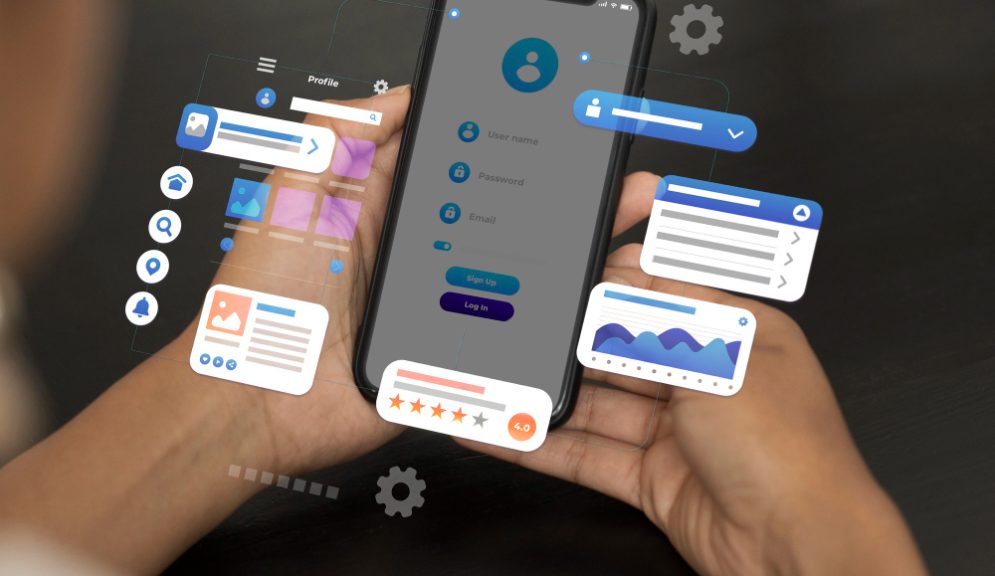
In an increasingly mobile-first world, businesses seeking sustainable growth and a competitive edge cannot afford to overlook the potential of iOS app development. Apple’s ecosystem, with its loyal customer base and reputation for innovation, provides a lucrative opportunity for companies to enhance brand visibility, customer engagement, and revenue generation. With over 1.5 billion active Apple devices globally, iOS remains one of the most prominent platforms for businesses to target in 2026.
Developing an iOS app not only allows businesses to cater to high-value customers but also ensures access to a platform synonymous with security, performance, and user experience. Entrepreneurs, small business owners, and corporations are increasingly recognizing the benefits of iOS development, leveraging the platform to showcase their products, streamline customer interaction, and stay ahead in a competitive market.
For developers, the field of iOS development is ripe with opportunities, with courses, tutorials, and communities like iOS development Reddit providing resources to acquire the necessary skills. Moreover, innovations in iOS application development tools, software, and frameworks make it easier than ever to create high-quality, user-centric apps.
This article delves into why iOS development is pivotal for business growth in 2026, exploring the benefits it offers, the tools and frameworks driving the industry, and how businesses can develop an effective iOS development roadmap. By the end, you’ll understand how embracing iOS development can elevate your business to new heights, whether through in-house expertise or collaboration with skilled professionals.
iOS App Development: Access to a High-Value User Base
Apple users are often perceived as tech-savvy, affluent, and willing to spend more on premium products and services. This demographic offers businesses an ideal target audience, especially for industries like e-commerce, finance, and healthcare. By investing in iOS development, companies can directly reach this lucrative customer segment.
Enhanced Security and Privacy
Security is a core pillar of Apple’s ecosystem. For businesses handling sensitive customer data, iOS development ensures compliance with stringent security measures, including encrypted data storage, secure payment integration, and privacy controls.
Seamless User Experience
Apple is renowned for its intuitive and user-friendly design philosophy. Developing an iOS app allows businesses to align with this ethos, offering a seamless experience to users and increasing customer satisfaction and retention.
Global Reach with Apple’s App Store
The Apple App Store provides a global platform for businesses to showcase their apps to millions of users worldwide. Its robust distribution network allows businesses to expand their market reach effortlessly.
The Role of iOS Development Tools and Frameworks
iOS development tools and frameworks play a pivotal role in the creation of high-quality, efficient, and scalable apps. These tools provide developers with the resources needed to streamline the development process, enhance productivity, and deliver user-centric solutions. With constant advancements in technology, choosing the right tools and frameworks has become essential for businesses and developers aiming to create standout apps in the competitive iOS market.
1. iOS App Development Frameworks
Frameworks act as the backbone of app development by offering pre-built code libraries, design templates, and tools to simplify coding and implementation. Some of the most popular iOS development frameworks include:
- SwiftUI: A modern framework introduced by Apple that allows developers to design user interfaces declaratively. It significantly reduces development time, ensures consistency across devices, and provides real-time previews for faster iteration.
- React Native: Created by Facebook, this framework is ideal for businesses looking to develop cross-platform apps. It allows developers to reuse code for both iOS and Android, ensuring cost-effectiveness while maintaining near-native performance.
- Flutter: Backed by Google, Flutter has emerged as a strong contender for iOS development. It uses a single codebase for cross-platform apps and offers exceptional performance with its customizable widgets and high rendering speed.
These frameworks empower developers to focus on innovation rather than reinventing the wheel, enabling quicker project completion and better optimization.
2. iOS App Development Tools
The tools available for iOS development have transformed the way apps are built, tested, and deployed.
- Xcode: As Apple’s official Integrated Development Environment (IDE), Xcode is the cornerstone of iOS development. It provides developers with everything they need, from code editors and debugging tools to simulators for testing apps across various Apple devices.
- TestFlight: This tool simplifies beta testing by allowing developers to distribute pre-release app versions to testers. Feedback from TestFlight users helps refine the app before its public launch.
- Simulator: Integrated within Xcode, the Simulator enables developers to test their apps on virtual devices, replicating different screen sizes, resolutions, and operating systems without needing physical devices.
- CocoaPods: A dependency manager for Swift and Objective-C projects, CocoaPods simplifies the integration of third-party libraries and frameworks, saving time and effort during the development process.
- GitHub/GitLab: Version control systems like GitHub and GitLab allow developers to collaborate seamlessly on projects, track changes, and maintain a structured development workflow.
3. Emerging iOS App Development Software
In addition to established tools, emerging software solutions continue to enhance iOS development. Tools powered by artificial intelligence (AI) and machine learning (ML) are making development processes smarter and more efficient. Automated testing tools, for instance, help detect bugs early, reducing the time and cost of app development. Additionally, cloud-based development environments are gaining popularity, allowing teams to collaborate and build apps without hardware limitations.
4. How Tools and Frameworks Drive Innovation
The combination of cutting-edge tools and versatile frameworks allows developers to push boundaries in app design and functionality. With tools like Swift Playgrounds fostering learning and innovation among budding developers, and frameworks like ARKit enabling immersive augmented reality experiences, the possibilities are endless. Businesses can create apps tailored to specific needs, whether it’s an e-commerce solution, a gaming app, or a productivity tool, all while maintaining top-tier performance and design.
In conclusion, the strategic use of iOS development tools and frameworks ensures a seamless, efficient, and innovative development process. By selecting the right combination, businesses and developers can bring their app ideas to life and deliver exceptional experiences to Apple’s discerning user base.
FAQs
How can I develop an iOS app?
To develop an iOS app, learn Swift and Xcode, follow a development roadmap, understand SwiftUI, use essential frameworks, and use tools like TestFlight. Take an iOS development course or tutorial, explore virtualization for Windows, and use GitHub for code collaboration.
How much does it cost to develop an app for iOS?
The cost of developing an iOS app varies based on complexity, features, design, team, and location, with simple apps costing between $10,000 and $50,000, and additional costs for maintenance and updates.
Is iOS app development a good career?
iOS app development is a promising career due to growing demand, Apple ecosystem, prestige, competitive salaries, global opportunities, and loyal user base. With advancements in Swift, it offers stability and career growth.
What language is used in iOS app development?
Swift and Objective-C are the primary languages used in iOS development, both supported by Apple’s Xcode Integrated Development Environment.
What are most iOS apps written in?
iOS apps are predominantly written in Swift, a modern, preferred programming language developed by Apple for its simplicity, safety, and performance.
Learning iOS Application Development: Courses, Tutorials, and Communities
For businesses interested in developing apps in-house or entrepreneurs looking to enter the field, learning iOS development is essential.
1. iOS App Development Course
Enrolling in a comprehensive course is the first step to mastering app development. Platforms like Udemy, Coursera, and Apple’s own Developer Academy offer courses tailored to various skill levels.
2. iOS App Development Tutorial
Free tutorials on platforms like YouTube or blogs provide quick and practical insights into coding for iOS. These resources are particularly helpful for beginners exploring Swift, Xcode, and frameworks like SwiftUI.
3. iOS App Development Reddit
Communities like Reddit’s iOS development forum are invaluable for troubleshooting, exchanging ideas, and keeping up with the latest trends and tools. Developers can benefit from real-world advice and collaboration opportunities.
Developing iOS Apps on Windows: Is It Possible?
Traditionally, iOS development required a Mac system. However, advancements now allow developers to create iOS apps on Windows using virtual machines, cloud-based platforms, or tools like MacStadium and Hackintosh. While this setup might not be as seamless as using macOS, it provides a cost-effective solution for Windows users.
Creating an Effective iOS App Development Roadmap
For businesses planning to invest in iOS development, having a clear roadmap is critical.
1. Define Objectives
Start by identifying the app’s purpose, target audience, and key features.
2. Choose the Right Team
Decide whether to develop the app in-house or hire an iOS development company.
3. Select the Best Tools and Frameworks
Evaluate options based on your project requirements, budget, and technical expertise.
4. Focus on UX/UI Design
Ensure the app is visually appealing and user-friendly to maximize customer engagement.
5. Testing and Iteration
Regular testing helps identify and fix bugs, ensuring a polished final product.
6. App Store Optimization (ASO)
Optimize your app’s description, keywords, and visuals to improve visibility on the App Store.
Overcoming Common Challenges in iOS Application Development
1. Adapting to Regular Updates
Apple frequently updates its operating system and guidelines. Businesses must stay agile to ensure app compatibility.
2. Balancing Costs and Quality
While iOS development on Windows offers excellent ROI, it requires significant initial investment. Careful planning and resource allocation are key to balancing costs and quality.
3. Navigating the App Store Approval Process
Apple’s stringent review process can be challenging. Partnering with experienced developers can help avoid rejections.
To sum up, as businesses face growing competition in 2026, iOS app development on windows remains a cornerstone of digital transformation strategies. By leveraging the tools, frameworks, and best practices discussed in this article, businesses can create powerful apps that drive customer engagement, enhance brand loyalty, and generate revenue. Whether you’re an entrepreneur exploring the field through an iOS development course, a business leader planning an app development roadmap, or a developer refining skills via iOS development tutorials, the possibilities are endless. With Apple’s ecosystem continuing to thrive, now is the perfect time to harness the power of iOS development to secure your business’s future.

Add comment