

The New Rules of B2B Marketing Strategy in a Buyer-Led World B2B marketing isn’t what it used to be. And if you’ve been in the game for a while, you’ve probably felt the shift meetings take longer to land, buyers ghost more often, and traditional lead funnels just don’t perform like they used to. That’s because today’s buyer is in control and they know it. In the past, marketing teams pushed out gated content, booked demos through email blasts, and handed over leads to sales as quickly as possible. The buyer’s journey was predictable, linear, and (to be honest) heavily sales-driven.
But that world is gone. Modern B2B buyers are self-directed, highly informed, and allergic to being “sold to.” They’re doing their own research, reading peer reviews, consulting buying committees, and forming opinions long before they ever land in your CRM. But here’s the upside: the buyer-led era opens the door to better marketing, more honesty, more creativity, and more human. Brands now have the chance to build trust before a conversation even starts. You’re no longer just marketing a product; you’re delivering value, positioning your company as a strategic partner, and creating experiences that actually help people.
This article will explore the new rules for building a B2B marketing strategy that works in today’s fast-changing landscape. Also discover what makes a modern strategy tick, from practical B2B marketing strategy example, to flexible frameworks, to downloadable templates you can use right away. Also even point you toward a must-read B2B marketing strategies book and walk through a real case study that puts these ideas into action. If you’re ready to stop chasing leads and start building long-term momentum, this guide is for you. Let’s dive in and reshape your B2B marketing strategies for a buyer-first world.
1. B2B marketing strategy: The Buyer Now Leads the Journey
Gone are the days when sales reps were the gatekeepers of information. With access to endless content, peer reviews, product comparisons, and even competitor pricing, buyers often complete 60-70% of the decision-making process before ever engaging with a vendor. This shift means that B2B marketers must pivot from pushing products to providing value early and often. Your strategy should be built around meeting buyers where they are on LinkedIn, Google, industry forums, and content hubs with helpful, relevant, and timely information. A downloadable B2B marketing strategies PDF, for example, can position your brand as a helpful expert rather than a pushy seller. The new rule? If you’re not showing up early with insights and solutions, you’re showing up too late. Your content, messaging, and engagement need to guide the buyer not by force, but through trust, expertise, and genuine problem-solving.
2. Replace Funnels with Flywheels
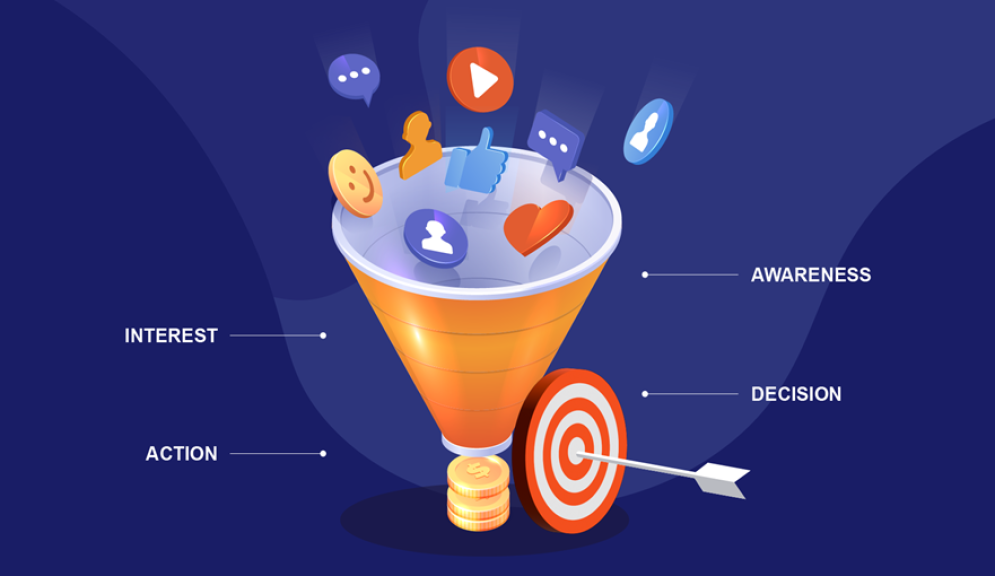
For many years, the traditional sales funnel awareness, interest, decision, and action was effective. However, in a society where buyers rule, it is insufficient. However, momentum rather than just conversions is the foundation of contemporary B2B success. In this model, your existing customers become your greatest growth engine through referrals, renewals, and word-of-mouth advocacy. A well-designed B2B marketing strategy framework now centers on delivering value before, during, and after the sale. Think beyond leads. Focus on lifetime relationships. Keep your flywheel spinning with regular content updates, exclusive offers, webinars, loyalty programs, and strong post-sale support. Because in today’s B2B world, the real marketing starts after the contract is signed.
3. ABM Is No Longer Optional
That’s why Account-Based Marketing (ABM) has become the gold standard for modern B2B marketing. It’s not just about targeting, it’s about personalizing your entire approach to speak directly to the needs of high-value accounts. Imagine creating tailored campaigns where each piece of content, each ad, each email speaks specifically to a company’s pain points, goals, and industry context. It’s powerful. And it works. A smart B2B marketing strategy template will integrate ABM as a core pillar mapping buyer roles, touchpoints, and engagement tactics across platforms. This is how you move from “just another vendor” to “trusted partner.” ABM is no longer a luxury for big budgets, it’s a necessity for anyone serious about meaningful, scalable growth.
4. Data Is Your Competitive Advantage
Today’s B2B marketers are part strategist, part technologist, and part data analyst. Whether it’s tracking engagement across touchpoints, using intent data to prioritize warm leads, or analyzing funnel leaks data gives you the insight to pivot with confidence. What content your high-value accounts are consuming? The answers are in your dashboards. A well-built B2B marketing strategies PDF should outline key performance indicators (KPIs), attribution models, and reporting cadences. The smartest brands use this data to iterate constantly refining messaging, reallocating budgets, and spotting trends before the competition does. In a buyer-led world, those who own the insights own the outcomes.
FAQs
What is the B2B marketing approach?
The B2B marketing approach refers to strategies focused on reaching and engaging businesses, not individual consumers. It involves longer sales cycles, more complex decision-making, and multiple stakeholders. Modern B2B marketing approaches are increasingly customer-centric, using content, account-based marketing, and digital engagement to educate and influence buyers throughout their journey.
What is a B2B strategy?
Businesses employ a business-to-business (B2B) strategy as a comprehensive plan to market and sell their goods and services to other businesses. It includes defining target audiences, developing messaging, setting goals, choosing channels (like email, LinkedIn, or events), and aligning sales and marketing. Effective B2B strategies are tailored to address the unique pain points of business buyers and are often backed by data and measurable KPIs.
What are the 7 P’s of B2B?
The 7 P’s of B2B marketing are:
- Product
- Price
- Place
- Promotion
- People
- Process
- Physical Evidence
These elements make up the marketing mix. In B2B, each “P” must be tailored to match buyer expectations, especially “People” (sales and support) and “Process” (how buyers evaluate and purchase your offering).
How to make a good B2B marketing strategy?
Establishing specific goals is the first stage in creating an effective B2B marketing plan. Identify your ideal client (ICP), align marketing and sales, and create a buyer path map. Make decisions and monitor outcomes using a data-driven approach. Make use of thought leadership, SEO, ABM, and content in combination. Iterate, test, and improve often. An efficient plan framework can be made with the aid of resources such as a B2B marketing strategies template or a B2B marketing strategy PDF.
What are the 4 types of B2B marketing?
The four main types are:
- Producer Marketing – Selling raw materials or components.
- Reseller Marketing – Marketing to wholesalers, retailers, or distributors.
- Government Marketing – supplying government agencies with goods or services..
- Institutional Marketing – Targeting non-profits, schools, hospitals, etc.
Each type has unique needs, requiring tailored messaging, procurement processes, and relationship-building strategies.
5. Align Marketing and Sales (For Real This Time)
We’ve all heard it: “Sales and marketing need to work together.” But in too many organizations, that alignment is still surface-level separate goals, tools, and communication. In a buyer-led world, this disconnect is fatal. Buyers expect a seamless experience, and that only happens when marketing and sales operate as one revenue-generating unit. That means shared definitions of qualified leads, unified messaging, real-time data sharing, and collaborative account planning. A great B2B marketing strategy case study comes from companies like Drift, which collapsed the walls between sales and marketing to form a revenue team that co-owned the entire buyer journey. The result? Higher conversions, shorter sales cycles, and happier customers.
6. Thought Leadership > Product Pitches
You have to sell your perspective. Buyers are overwhelmed with sales pitches, feature lists, and solution comparisons. They’ve seen it all before. What they haven’t seen at least not often is bold, original thinking that helps them solve real problems or think differently about their challenges. That’s where thought leadership becomes your biggest differentiator.
Instead of shouting about how great your product is, great B2B marketing today starts by educating, challenging, and inspiring your audience. Buyers don’t want another salesy blog post. They want content that makes them smarter: a webinar that teaches, a whitepaper that uncovers new industry trends, or a podcast that dives deep into strategy. When you lead with valuable insights instead of sales collateral, you build trust, credibility, and brand loyalty long before the buyer is ready to make a decision.
Want proof? Just look at brands like Salesforce, Drift, or Gong. They’ve grown into category leaders not just by having strong products, but by becoming go-to sources for B2B insights, industry benchmarks, and provocative opinions. Their content often answers the exact questions buyers are Googling, some even inspired by popular B2B marketing strategy books that blend storytelling with strategy.
Start small. Turn customer insights into opinion pieces. Record short videos on LinkedIn about what you’re learning in the market. Over time, these ideas form a reputation and that reputation becomes your moat. In a buyer-led world, product features might win attention. But ideas the kind that shift thinking are what truly win hearts, minds, and deals.
7. B2B Marketing Strategy: Agility Beats Perfection
New tech, new platforms, economic shifts, evolving buyer behavior nothing stays still. That’s why agility is more valuable than perfection. Instead of building massive campaigns that take six months to launch, aim for quick, data-informed iterations. Launch small. Test fast. Learn continuously. A nimble B2B marketing strategies framework builds in room for experimentation A/B testing subject lines, trying new ad formats, repurposing old content in new ways. And relevance can only come from staying close to your buyers and adjusting in real time. Agile teams don’t chase trends, they set them.
To sum up, the rules of B2B marketing have changed but that’s a good thing. In a buyer-led world, businesses that lead with value, listen more than they talk, and prioritize relationships over transactions will win. Don’t wait for a perfect strategy. Start with a flexible B2B marketing strategy template, iterate quickly, and stay relentlessly focused on the buyer. Whether you’re flipping funnels, embracing ABM, or becoming a thought leader remember: in 2025 and beyond, the buyer is your true north.