

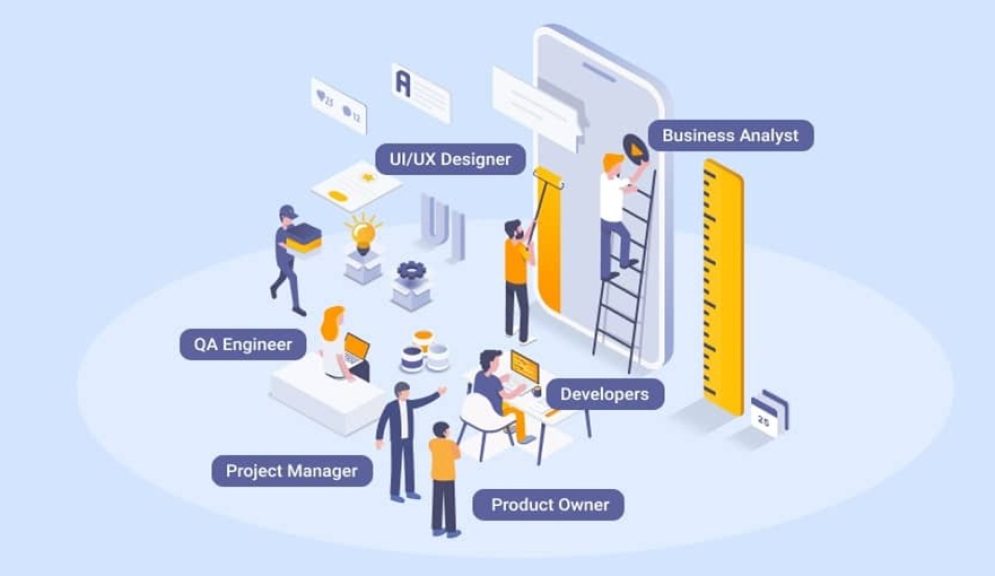
Imagine this. Over coffee, you happily explain your app idea to a friend. You can see it in your mind as a clean, functional, and innovative mobile application that people will love. You know the features, you know the value it will bring, and you might even have some sketches ready. But then reality sinks in. Turning that idea into a real app is not a one step journey. It is a carefully managed process that involves multiple stages, different people, and a lot of planning. That is where app development project management steps in to save the day.
Building an app today is far more than just coding. It involves defining a clear vision, setting realistic goals, organizing resources, and keeping everyone on the same page. Without a solid management plan, even the most exciting ideas can lose direction, run over budget, or take far longer to launch than expected. This is why businesses and creative teams are increasingly investing in structured management approaches, often learning through an app development project management course or by using a reliable app development project management template.
In simple terms, app development project management is about bridging the gap between vision and execution. By studying app development project management examples, you can see how successful teams manage timelines, budgets, and expectations without losing focus.
This guide is here to give you both clarity and confidence. Whether you want to understand the mobile app project manager job description, explore the application project manager salary, or simply learn the five core phases of app development, you will find everything laid out in a practical way. By the time you finish reading, you will know exactly how to take your app from a concept on paper to a finished product ready for download all while managing it like a pro.
Why App Development Project Management Matters
There are creative highs, technical challenges, unexpected delays, and moments where priorities shift. Without strong application development project management, these ups and downs can quickly spiral into missed deadlines, budget overruns, or even complete project failure. A well managed process acts like a compass, keeping the team on track and ensuring that every stage, from planning to launch, moves forward with purpose. It also creates a bridge between technical teams and business stakeholders, so everyone understands the progress, the goals, and the challenges. A mobile app project manager plays a crucial role here, translating complex technical updates into clear, actionable insights and making sure no one feels out of the loop. Good project management also improves efficiency by allocating resources wisely, identifying potential risks early, and resolving conflicts before they become roadblocks. Most importantly, it ensures that the final app reflects the original vision while still meeting user expectations and market needs. In a competitive digital space where quality and speed matter equally, application development project management is not just helpful, it is the backbone of success.
The Role of a Mobile App Project Manager
If you have ever read a mobile app project manager job description, you know it is a role that demands both technical knowledge and leadership skills. A project manager’s responsibilities may include:
- Defining the scope and objectives of the project
- Coordinating with design and development teams
- Managing timelines and budgets
- Monitoring progress and making adjustments when needed
- Communicating updates to stakeholders
This role requires balancing technical feasibility with business goals. In many cases, a mobile app project manager also helps select the tools and platforms that will be used for the project.
Planning Your App Development Project
Every successful app begins with a well thought out plan, and this stage is where you set the tone for the entire project. Without proper planning, even the most promising ideas can fall apart under the weight of missed deadlines, unclear goals, or budget overruns. Using an app development project management template can make a huge difference here, giving you a structured framework to define timelines, assign responsibilities, and track progress. At this stage, you need to clearly identify the app’s objectives, target audience, and key features. A strong plan should also include resource allocation, estimated costs, and contingency measures for potential risks. Effective planning is not just about documenting what needs to be done, it is about creating a shared vision that every team member understands and believes in. When you have a clear roadmap from the start, you can maintain focus, respond to challenges quickly, and keep the project moving forward with purpose. Ultimately, the effort you put into planning will save time, reduce stress, and greatly increase the chances of delivering an app that meets both business goals and user expectations.
FAQs
What is an app in project management?
An app in project management is a software application that helps teams plan, track, and manage tasks more efficiently. It can include features like scheduling, resource allocation, and progress tracking, making collaboration smoother and more organized.
What is an app development project?
An app development project is the process of creating a mobile or web application from concept to launch. It involves planning, designing, coding, testing, and maintaining the app to meet specific goals and serve a target audience.
What are the 5 phases of the app development process?
Initiation, planning, execution, testing, and launch with maintenance are the five stages. Each phase plays a vital role in ensuring the app meets its intended purpose and delivers a positive user experience.
What is 90% of a project manager’s job?
Approximately 90% of a project manager’s work entails communication. This includes interacting with team members, stakeholders, and clients to ensure alignment, solve problems, and provide updates throughout the project.
What are three types of apps?
The three main types of apps are native apps, which are built for specific platforms, web apps, which run through browsers, and hybrid apps, which combine elements of both native and web applications.
Examples of Successful App Development Project Management
Looking at app development project management examples can inspire your approach. Successful projects often share common traits such as clear communication, flexible planning, and strong leadership. For instance, teams that conduct regular sprint reviews often deliver faster and with higher quality.
The Five Phases of App Development
Although every project is unique, most follow these five core phases:
- Initiation – Define goals, stakeholders, and project scope
- Planning – Create a detailed roadmap and choose tools
- Execution – Design, develop, and integrate the app’s features
- Testing – Identify and fix bugs while ensuring usability
- Launch and Maintenance – Release the app and keep it updated
Understanding Application Project Manager Salary
When people think about careers in technology, they often picture software developers or designers. However, the role of an application project manager is equally vital, and it comes with its own rewarding career path. The application project manager salary can vary widely depending on factors such as experience, location, industry, and the complexity of the projects handled. Entry level professionals who are just stepping into the role may start with a modest income, but as they gain experience in managing larger teams and more complex applications, their earning potential grows significantly.
Those with strong leadership skills, a deep understanding of app development processes, and a track record of delivering successful projects on time often command competitive salaries that reflect the high level of responsibility involved. This compensation also acknowledges the unique blend of skills the role demands technical knowledge, strategic thinking, problem solving, and excellent communication. In industries where app performance directly impacts revenue, the salary can be even higher, making this role both financially and professionally fulfilling. For many, it is not just about the paycheck but also about the satisfaction of guiding an app from concept to launch and seeing it succeed in the marketplace.
Taking an App Development Project Management Course
For anyone serious about mastering the process of building and managing successful apps, enrolling in an application development project management course can be a game changer. These courses are designed to take you beyond theory, offering practical insights, real world scenarios, and proven strategies used by experienced project managers. You learn how to create project roadmaps, allocate resources effectively, manage risks, and keep teams motivated and aligned. Many courses also cover popular project management methodologies like Agile or Scrum, helping you adapt to different team structures and timelines.
By the time you complete a good course, you will have the confidence to use tools such as an app development project management template to streamline your workflow and avoid common pitfalls. Even if you are already in the role of a mobile app project manager, the right training can sharpen your leadership skills and expand your technical knowledge. Beyond skills, completing a recognized course can also enhance your professional credibility, opening doors to higher level opportunities and potentially boosting your application project manager salary. In a competitive industry where deadlines are tight and expectations are high, formal training can be the edge that sets you apart and ensures your projects run smoothly from start to finish.
In the end, App development project management success comes from combining clear goals, structured processes, and strong teamwork. By using effective planning tools, learning from proven examples, and staying adaptable, you can guide projects from concept to launch with confidence. Keep communication open, track progress consistently, and balance creativity with organization. When you manage both the technical and human sides well, your app projects are far more likely to succeed.