

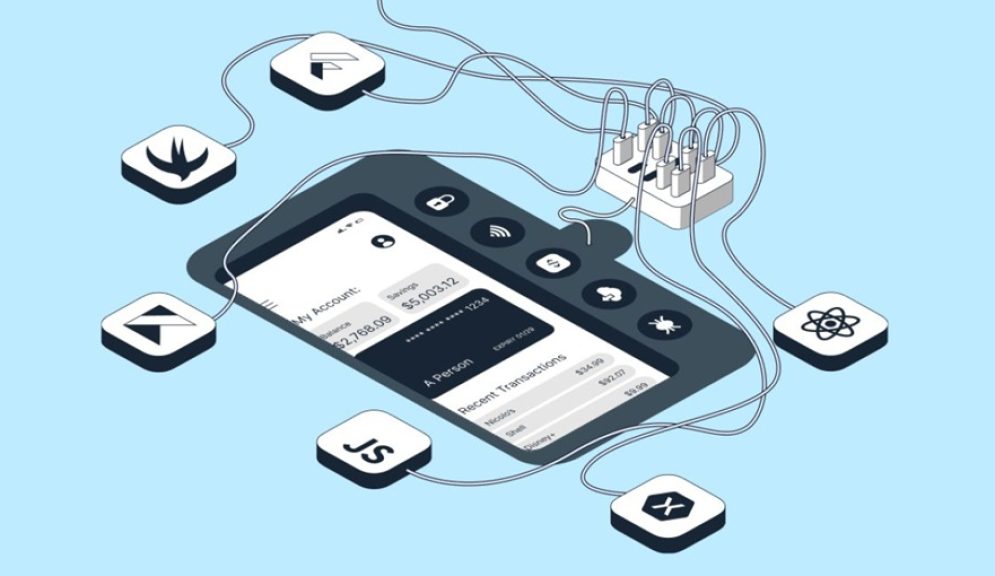
Imagine this. You have just downloaded a new mobile app that looks sleek, functions smoothly, and promises to make your daily life easier. You sign up, enter your details, and start exploring its features. Everything feels exciting until one morning you receive a notification that your personal data might have been exposed. Suddenly, the app that once seemed helpful now feels like a risk. In our digitally connected world, security breaches are no longer rare incidents, they are part of the everyday challenges that developers and users face. Technology is evolving rapidly, and so are the techniques used by cybercriminals. What counted as secure a year ago may now be outdated and vulnerable. This is why app development security has shifted from being an afterthought to becoming a central focus in software creation.
It is no longer just about writing code that works, it is about building trust between the developer and the user.For developers, this means thinking about security from the very first stage of planning. The conversation is no longer “We will add security at the end” but “How do we design this app so security is part of its DNA from day one”. Modern practices like automated vulnerability scanning, secure coding frameworks, and regular security audits are becoming non-negotiable.
This article will explore where application development security is heading, highlight practical app development security examples, and walk through mobile app development security best practices that can help you stay ahead. We will also touch on Android app security best practices, including a simple Android app security checklist, and point you toward resources like mobile application security PDF guides. By the end, you will have a clear view of how to create applications that are not only innovative but also fortified against the digital threats of tomorrow.
The Shift in App Development Security
App development security has moved from being a reactive step to becoming a proactive mindset. In the past, many developers focused on adding security measures only after an app was built or when a vulnerability was discovered. This approach often left applications exposed during their most critical stages. Developers are using secure coding frameworks, automated vulnerability scanners, and continuous integration systems that check for security flaws in real time. App development security examples from leading projects show how embedding security early can cut future patching costs and reduce the chance of data breaches. Teams are being trained to think like attackers, spotting weaknesses before they become problems. Regular updates, encrypted communication channels, and strict permission controls are no longer optional features, they are the expected norm. By moving from a fix-it-later approach to a prevent-it-now strategy, the industry is building stronger, safer applications that can adapt to the fast-changing landscape of digital threats.
Mobile App Development Security Best Practices
Security begins long before an app goes live. Here are some mobile app development security best practices that are becoming industry standards.
- Secure code from day one: Every line of code should be written with potential threats in mind, following proven guidelines and avoiding risky shortcuts. Regular code reviews, automated scans, and adherence to secure coding standards help prevent vulnerabilities before they ever reach production, saving time, cost, and reputation in the long run.
- Data encryption: In application development security, it protects data both while stored on a device and when transmitted over networks, ensuring that even if attackers intercept it, the information remains useless to them.
- Regular security audits: are systematic reviews of an application’s code, infrastructure, and data handling to detect vulnerabilities before they can be exploited. They help ensure compliance with mobile app development security best practices, keep security measures up to date, and maintain user trust by preventing potential breaches.
- Strong authentication: means verifying a user’s identity with more than just a password, often combining something they know (password), something they have (security token or phone), and something they are (biometric data).
- Limit permissions: Limit permissions: One of the simplest yet most effective mobile app development security best practices is to limit permissions. Every permission an app requests opens a potential doorway for misuse, so developers should ask only for what the app genuinely needs to function. If a note-taking app requests access to a user’s location or contact list without a clear reason, it raises suspicion and erodes trust. By keeping permissions minimal and purpose-driven, you reduce the attack surface and make the app easier to defend against threats. This approach also improves user confidence because people feel safer knowing their personal data is not being accessed unnecessarily. Regularly reviewing permission requirements and removing those that are no longer needed is just as important, especially when new features are added or old ones are retired. In the long run, limiting permissions is not just about security, it is about respecting users and building a relationship based on transparency.
These steps might seem basic, but they are the building blocks of resilient applications.
FAQs
What is application development security?
Application development security refers to the practices and processes used to protect software from threats during its creation and throughout its lifecycle. It involves planning for security from the first stage of design to post launch updates.
What is an app security?
The collection of steps used to protect apps against online attacks is known as app security. It includes code protection, data encryption, authentication, and continuous testing to ensure the app resists unauthorized access.
What are the 5 security requirements?
The five common security requirements are confidentiality, integrity, availability, authentication, and non repudiation. Together these principles ensure that data and services are protected from misuse or tampering.
How do I make my app secure?
To make your app secure, start with secure coding practices, encrypt sensitive data, apply strong authentication, follow an Android app security checklist if relevant, and perform regular security testing. Staying updated with mobile application security PDF guidelines can also help.
What are the four types of application security?
The four main types of application security are authentication, authorization, encryption, and logging or monitoring. Each plays a role in keeping the app and its data safe from threats.
The Rise of Android App Security Standards
Android’s global reach has made it a prime target for cyber attacks, which is why Android app security standards have evolved rapidly in recent years. Developers can no longer rely on basic measures alone. The Android app security checklist now includes practices such as using the Android Keystore system for secure key management, enforcing encrypted data storage. Secure API usage has become critical, with strict authentication protocols to prevent unauthorized data access. Another major shift is in permission management. Apps are expected to request only the permissions they truly need, and to provide clear explanations to users about why access is required.
Many developers now reference mobile application security PDF guides for structured steps, detailed code examples, and compliance checklists tailored to Android environments. Android app security best practices also encourage regular updates to address new vulnerabilities quickly, along with integrating automated security scans into the development pipeline. Beyond the technical measures, there is also a growing emphasis on user trust, which means making security visible in ways that reassure users without overwhelming them. From adopting secure coding patterns to aligning with evolving platform policies, developers who prioritize Android app security are not just protecting data, they are building confidence and long term loyalty among their users.
App Development Security: Preparing for the Future
The future of application development security will be shaped by speed, intelligence, and adaptability. Threats are evolving at a pace that demands developers think beyond today’s vulnerabilities and anticipate the attacks of tomorrow. Artificial intelligence and machine learning are becoming powerful allies, capable of detecting unusual patterns in real time and flagging suspicious activity before it becomes a full-scale breach. Automated testing tools will not only scan for weaknesses but also suggest fixes instantly, reducing the time between identifying and solving security issues. Privacy by design will move from being a best practice to a mandatory expectation, meaning that protecting user data is built into the core of the application architecture rather than added later. Developers will need to invest in continuous learning, staying up to date with emerging risks, new encryption methods, and evolving compliance regulations.
Security teams, developers, and even independent researchers will share knowledge through open threat intelligence networks to strengthen defenses across the industry. The future will not belong to those who simply react to problems, but to those who actively prepare for them, update their security models regularly, and build applications that can adapt as threats change. By making security a living, evolving part of the development process, apps will not only survive but thrive in the ever shifting digital landscape.
In the end, Application development security is no longer a background task, it is the core of building trust and longevity for any application. By embracing secure coding, following mobile app development security best practices, and using tools like Android app security checklists and mobile application security PDF guides, developers can stay ahead of threats. The future belongs to those who treat security as an ongoing commitment, ensuring every app they create is not just functional but safe for its users.