

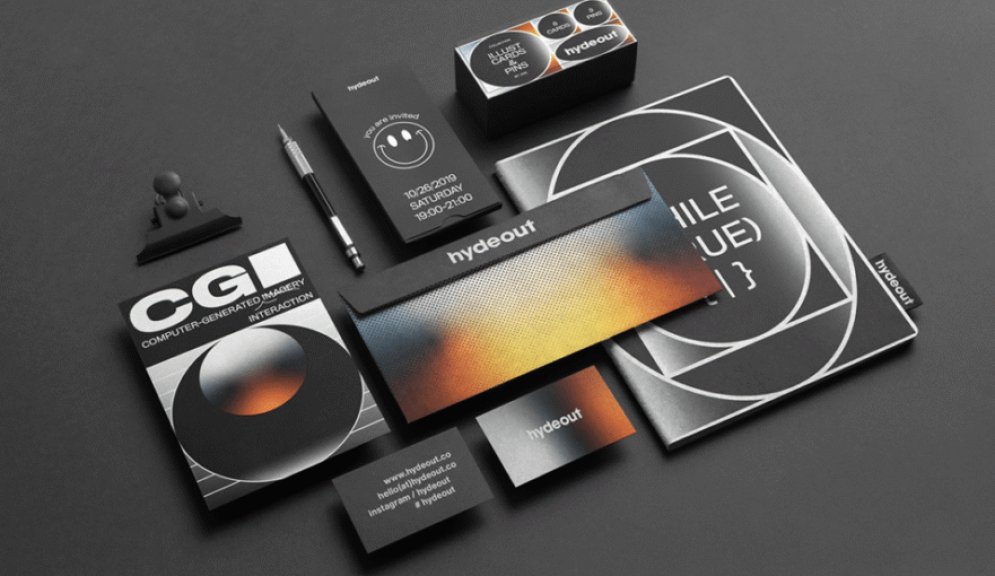
Think about the last time you stumbled upon a brand for the very first time. Maybe it was a new coffee shop with a beautiful menu design, or perhaps a website that instantly caught your eye. Without realizing it, your mind made a quick judgment about whether that brand felt trustworthy, modern, fun, or even worth your time. That instant reaction had little to do with the company’s story or values written on their website. It came from what you saw. Colors, fonts, layouts, and imagery silently whispered a story, and you listened without knowing. That silent storytelling is what graphic design for branding is all about. In just a few seconds, first impressions can have a significant impact. Although they might not recall your exact words, they will recall the feelings you evoked in them. In business, graphic design carries that responsibility. It shapes the way a brand is introduced, and more importantly, how it lingers in someone’s memory.
When done well, design builds credibility, sparks emotions, and creates an identity that feels impossible to forget. If you have ever explored a graphic design branding pdf or scrolled through graphic design for branding examples, you know how much impact a logo, a font, or even a subtle color palette can have. These choices are not random. They are carefully crafted to reflect personality, values, and promises. For entrepreneurs just starting out, free graphic design for branding tools or a ready to use graphic design branding template can offer a solid beginning. For established businesses, investing in the best graphic design branding often becomes the turning point that transforms casual viewers into loyal customers. It is about trust, recognition, and storytelling. From the first logo draft to full branding design examples across packaging and social media, graphic design creates the emotional bridge between a business and its audience.
Why First Impressions Matter in Graphic Design for Branding
The way people see your brand in the very first moment can determine whether they want to learn more or move on without a second thought. Psychology tells us that the human brain makes quick judgments within just a few seconds, and in business those seconds are everything. A strong visual identity signals that your brand is professional, reliable, and worth attention, while weak or inconsistent design can suggest the opposite. This is why the best graphic design for branding is never about decoration, it is about building instant trust. Imagine walking into two different stores. One has clean signage, thoughtful packaging, and consistent colors, while the other has clashing fonts and mismatched designs. Without saying a word, your mind will naturally lean toward the brand that looks polished and intentional. That first impression does more than attract someone in the moment, it sets the tone for every future interaction. When customers see consistent visuals across websites, social media, and even packaging, they feel reassured that the brand cares about detail. That reassurance builds trust, and trust is what keeps people coming back. A single logo, a well chosen color palette, or a simple design element can be the deciding factor between a customer remembering you or forgetting you entirely.
The Role of Graphic Design in Branding
Graphic design shapes branding by combining creativity with strategy. For example, look at branding design examples from leading companies. Their logos, typography, and color palettes all communicate values and personalities. A playful color scheme might show a brand’s fun and approachable side. A minimalist template might highlight sophistication. For businesses on a budget, even free graphic design for branding tools can help. While they may not match the detail of custom work, they allow startups and small businesses to create visual consistency. Templates, especially a graphic design branding templates, can provide a starting point. With customization, these tools can still reflect a unique personality.
Visual Storytelling That Lasts
Graphic design for branding has the unique power to communicate emotions and values in a way that words alone cannot. A carefully chosen color palette can spark feelings of trust, energy, or calm. A unique font can express modern creativity or timeless tradition. An iconic logo can tell an entire story in a single glance. Think about the branding design examples you encounter daily, like packaging that feels luxurious or digital ads that instantly grab attention. Those visuals stick with you because they are more than decoration, they are silent storytellers that carry meaning. This is why businesses often explore graphic design branding examples or even download a graphic design branding pdf to study how top brands craft memorable experiences. The goal is not simply to create pretty visuals, but to design symbols, layouts, and templates that spark recognition every time a customer interacts with the brand. Even free graphic design branding tools can be powerful when used thoughtfully to create a cohesive visual narrative. Once people emotionally connect with a brand through its visuals, they carry that story with them, and it influences how they talk about and remember the brand long after the first interaction.
FAQs
How is graphic design used in branding?
In branding, graphic design is used to convey a company’s identity, beliefs, and personality through visuals. It shapes elements such as logos, colors, typography, and layouts to create a consistent look across platforms. Strong design helps people recognize and connect with a brand, making it a powerful tool for trust and loyalty.
How much does a graphic designer charge for branding?
The cost varies greatly based on project requirements, scope, and experience. Freelancers may charge a few hundred dollars for basic logo work, while full branding packages from established designers can range into the thousands. The investment reflects not only the time spent designing, but also the strategic research that ensures visuals align with business goals.
How to do branding as a graphic designer?
Branding as a graphic designer involves more than creating visuals. From there, the designer creates consistent elements such as logos, typography systems, and templates. The goal is to build a visual identity that supports long term recognition and emotional connection.
Can a graphic designer be a brand designer?
Indeed, a lot of graphic artists pursue careers in brand design. While graphic design focuses on visual elements, brand design covers the bigger picture, including strategy, tone, and storytelling. A graphic designer with strategic insight can transition into brand design to offer clients more complete solutions.
How to design a logo for branding?
Designing a logo for branding starts with research. Learn about the business, audience, and values. Draw concepts with an emphasis on memorability and simplicity. Typography and color schemes should complement the personality of the brand. Test different versions to ensure the logo looks strong in all sizes and formats.
Consistency Creates Recognition
A brand can make a great first impression, but what makes that impression last is consistency. When customers repeatedly see the same colors, fonts, and design style across every touchpoint, their brain begins to associate those visuals with trust and familiarity. This is why the best graphic design branding does not stop at creating a logo, it extends into packaging, websites, marketing materials, and even social media posts. Think about branding design examples where you instantly recognize a brand simply by its color or shape, even without seeing the name. That recognition is not an accident, it is the result of consistent design applied again and again. For businesses just starting out, a graphic design for branding template can be a helpful guide to maintain this consistency across platforms, while free graphic design branding tools can provide accessible ways to stay visually aligned. Consistency tells your audience that you are reliable, professional, and thoughtful, and it creates a sense of comfort that keeps people coming back. Over time, this repeated exposure builds brand loyalty, because customers feel they know you and can trust you. Recognition is not built in a day, it is built every time your design shows up consistently and reinforces the story you want people to remember.
Graphic Design for Branding: How to Get Started
Beginning the journey of building a brand through design can feel overwhelming, but the key is to start with clarity and inspiration. Collect logos, websites, and packaging designs that catch your attention, then study them closely. Notice how colors create emotions, how typography sets a tone, and how layouts guide your eye. Once you understand what appeals to you, translate those insights into your own brand’s personality and values. If you are at the early stage, using free graphic design branding tools can give you a practical way to experiment without heavy investment. A graphic design branding template can also serve as a starting point, helping you maintain a consistent look while you refine your ideas. For those ready to take branding to the next level, consider exploring a graphic design for branding pdf or working with a professional designer who can bring strategy and creativity together. Designers often uncover details you might overlook, such as how visuals align with your target audience’s expectations or how certain design elements can build long term recognition. Whether you choose a DIY approach or professional guidance, the most important step is to remain consistent and intentional. Every color choice, logo sketch, or social media post should reflect the story you want people to remember. With patience and creativity, those small design decisions grow into a brand identity that feels authentic, recognizable, and lasting.
In the end, first impressions are powerful, but they are not only about quick reactions. They are about creating a visual memory that lasts. Graphic design branding achieves this by blending art, strategy, and psychology into one. From a simple logo to a full brand identity system, design shapes how people see and remember your brand. Whether you explore a graphic design for branding pdf for guidance, test free tools, or work with a designer, never underestimate the impact of visuals. The right design makes your brand unforgettable, trustworthy, and timeless.
- Tags : graphic design for branding