

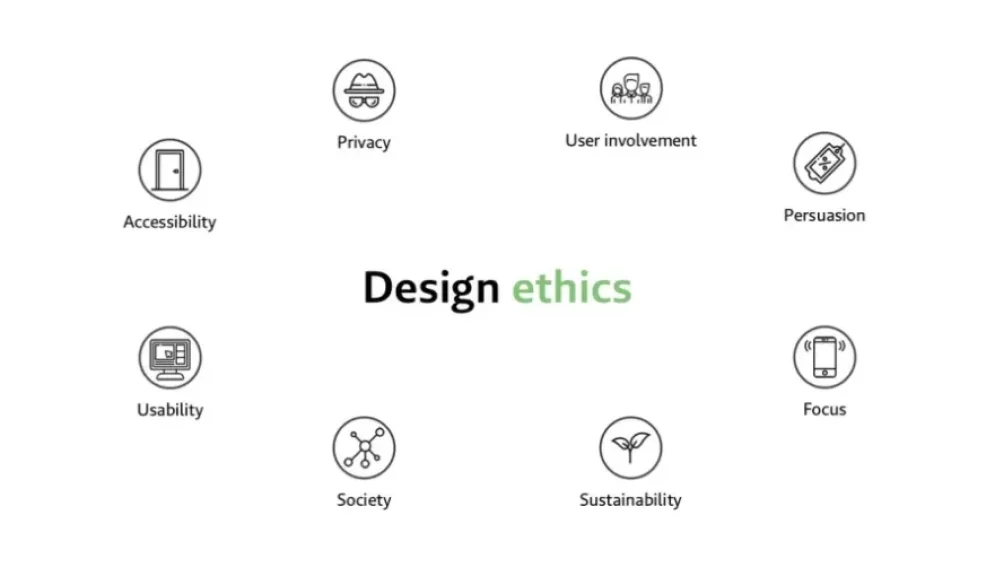
In a world that changes faster than ever, design has become more than just creating something beautiful. It now carries the responsibility of shaping a better tomorrow. Every product, every digital interface, and every architectural space tells a story. The question is, what story are we telling the next generation? For decades, design was driven mainly by aesthetics and commercial goals. Today, people are asking for something deeper, something that blends creativity with conscience. That is where sustainable & ethical design practices come in. When we talk about sustainability, we are not just referring to using recyclable materials or reducing waste. It is about designing with intention, care, and foresight. Ethical design goes hand in hand with this mindset.
It means thinking about the impact of every choice on people, the planet, and future innovation. It is the thoughtful act of making sure that what we create not only looks good but also does good. Imagine a world where every designer thinks about how their work affects communities, resources, and emotions. A place where design is not only functional but also fair and future friendly. That world is not a distant dream. It is already unfolding through sustainable and ethical design practices. From packaging to product development, and from architecture to digital experiences, creators are learning that good design should serve both humans and nature.
The beauty of this movement is that it does not ask for perfection. Instead, it encourages progress, awareness, and purpose. Designers are embracing ethical design principles to guide decisions that balance innovation with responsibility. As more people recognize the value of mindful design, industries are shifting toward transparency, inclusion, and long term sustainability. Whether you are a designer, a business owner, or a consumer, understanding these principles can help you make choices that matter.
Understanding Sustainable & Ethical Design Practices
Sustainable design is all about creating with longevity and minimal environmental impact. It looks at the entire life cycle of a product or service, from sourcing materials to disposal. Ethical design focuses on fairness, honesty, and respect for people who interact with the design. When combined, these two ideas form a powerful approach that values both human well-being and ecological balance. These practices are not limited to one field. They can be seen in fashion, architecture, technology, and product development. A designer who uses biodegradable fabrics, a company that ensures fair wages, or a digital creator who respects user privacy are all part of the same movement. These are real world sustainable and ethical design practices examples that prove design can influence social and environmental progress.
Why Ethical Design Matters
Ethical design matters because design shapes how people live, communicate, and consume. When a product is created without care for ethics, it can harm communities or exploit resources. Ethical design principles promote respect, inclusivity, and accountability. They remind creators that every design decision has a ripple effect on people and the planet.
Today, many professionals refer to design ethics PDF guides and educational resources to understand how to integrate moral thinking into their creative processes. Such references help designers evaluate their work from multiple perspectives. Is it honest? Does it respect privacy? Does it protect the environment? These are the questions that keep the design process grounded in values.
The Core of Sustainable Design
At the heart of sustainability are seven guiding ideas known as the 7 principles of sustainable design. They encourage designers to use resources wisely, reduce waste, and create with long-term value in mind. These principles include efficiency, durability, adaptability, renewability, and social responsibility. When applied consistently, they help minimize harm and maximize positive impact.
For instance, a furniture designer might choose reclaimed wood instead of new timber, ensuring that the product can be reused or recycled at the end of its life. A fashion designer might create timeless clothing that resists trends and lasts for years. These are sustainable & ethical design practices examples that blend creativity with care. They prove that sustainability does not limit innovation; it strengthens it.
Designing for Humanity and the Planet
Ethical design goes beyond environmental awareness. It focuses on people too. A good example is digital designers ensuring accessibility for users with disabilities. Another is architects designing spaces that enhance mental well-being. Ethical design examples like these show how thoughtful design can foster dignity, equality, and connection.
When we talk about design ethics, we are essentially talking about empathy in action. It is about designing with a human touch. Every line drawn, every material chosen, and every interaction shaped reflects the designer’s understanding of the user’s needs and rights. Ethical design inspires trust, loyalty, and long-term success because it puts humanity at the center of creation.
The Role of Education and Awareness
The rise of sustainability and ethics in design did not happen overnight. It came through awareness, education, and accountability. Universities, online platforms, and independent creators now explore topics like ethical design principles and sustainable practices in detail. They encourage young designers to think beyond profit and aesthetics.
Learning resources such as a design ethics PDF or visual guides, offer frameworks for understanding how moral choices affect design outcomes. By learning to question, reflect, and adapt, designers can contribute to a system that values transparency and fairness. This cultural shift ensures that creativity and responsibility coexist.
The Connection between Ethics and Innovation
Some people believe that following ethical or sustainable guidelines limits creativity. The truth is the opposite. Boundaries often inspire innovation. When designers aim to create responsibly, they find new ways to use materials, new methods of production, and new forms of storytelling. Ethical design examples prove that restrictions can fuel imagination. Take digital design as an example.
When designers consider data privacy or accessibility, they discover solutions that improve both functionality and user satisfaction. The same applies to fashion and architecture. By working within ethical frameworks, designers uncover opportunities that traditional methods overlook.
FAQs
What are sustainable design practices?
Sustainable design practices focus on reducing environmental harm while creating useful and lasting solutions. They consider the entire product life cycle, from material sourcing to disposal. Designers use renewable resources, efficient production methods, and recyclable materials to minimize waste. The goal is to make products and systems that serve people without depleting natural resources. These practices encourage creativity that respects both nature and humanity.
What is an example of an ethical design?
An ethical design example could be a company creating digital tools that protect user privacy or a brand ensuring fair wages for workers in its supply chain. It might also be an app designed with accessibility in mind so that everyone can use it regardless of ability. These examples show how ethical design combines innovation with empathy, ensuring fairness and respect throughout the process.
What are the 5 C’s of sustainability?
The 5 C’s of sustainability often refer to Commitment, Collaboration, Creativity, Communication, and Continuity. They represent the mindset required to build long lasting impact. Designers and organizations use these principles to maintain responsibility while creating solutions that are efficient, ethical, and meaningful. They help balance progress with purpose.
Is sustainability an ethical practice?
Yes, sustainability is closely linked to ethics because it involves moral responsibility toward the planet and future generations. Designing sustainably means respecting ecosystems, reducing harm, and promoting fairness in production. Ethical thinking guides sustainability to ensure that human needs are met without compromising the earth’s wellbeing.
What are the 4 types of sustainability?
The four main types of sustainability are environmental, social, economic, and cultural. Environmental sustainability focuses on protecting natural resources. Social sustainability supports equality and community wellbeing. Economic sustainability ensures long term financial balance. Cultural sustainability preserves traditions and human creativity. Together, they form a holistic vision for a sustainable and ethical future.
Sustainable & Ethical Design Practices: Building a Better Future through Design
Design has always been a reflection of society, but today it is becoming a driving force for change. The idea of building a better future through design is rooted in the belief that creativity has the power to heal, restore, and transform the world. Every decision a designer makes, from the materials they choose to the message they convey, influences the way people live and interact with their surroundings. Sustainable and ethical design practices are at the heart of this transformation. They guide designers to think beyond aesthetics and functionality and focus on the long term impact of their creations on people and the planet.
Building a better future through design begins with awareness. It requires understanding that every product, structure, or system contributes to the environmental and social fabric of the world. A simple shift in mindset, such as valuing quality over quantity or empathy over profit, can spark meaningful change. For example, designers who follow ethical design principles create products that respect workers, minimize waste, and use renewable materials. These actions might seem small on their own, but together they form a global movement toward responsible innovation.
Moreover, sustainable and ethical design practices examples show that when designers prioritize sustainability, they not only help the environment but also inspire others to make conscious choices. A building designed with natural light and ventilation reduces energy use and improves mental health. A product made from biodegradable materials teaches consumers to value durability and responsibility. Even digital platforms designed with inclusivity in mind can create stronger communities and better user experiences. Each thoughtful design becomes a seed for a more compassionate and resilient world.
Innovation also plays a major role in shaping this future. Designers who embrace sustainability are not limiting themselves; they are opening new doors. By experimenting with recycled materials, renewable energy sources, and community-focused ideas, they are proving that ethical creativity can lead to groundbreaking solutions. True progress in design comes from balancing imagination with integrity, ensuring that growth never comes at the expense of people or nature.
To sum up, sustainable & ethical design practices is not just a trend, it is a transformation. It asks designers to look beyond immediate goals and consider lasting impact. Every choice, whether big or small, shapes the kind of world we build. By embracing ethical design principles and sustainable creativity, we can design not only for the present but for generations to come. The better future we imagine starts with how we create today.