

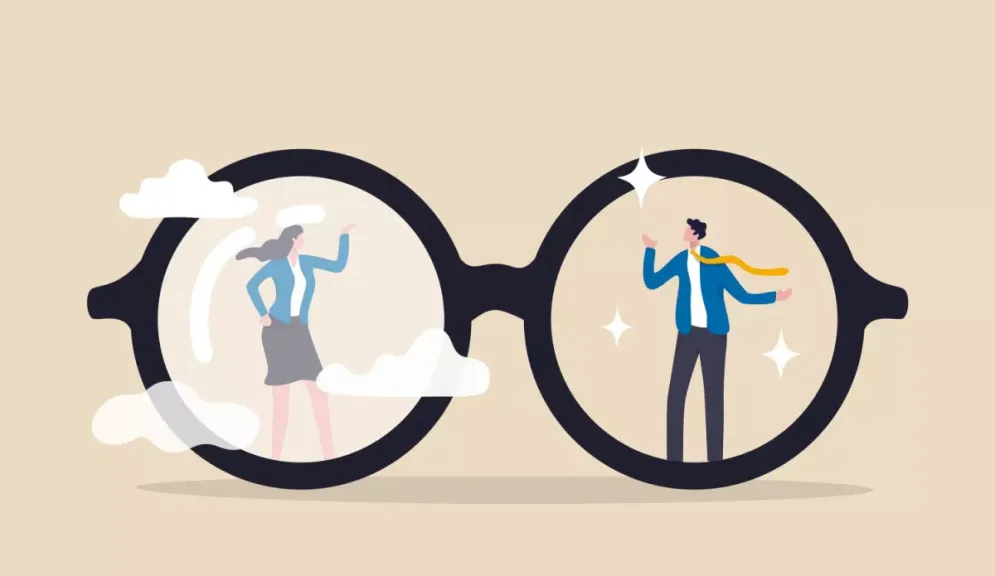
Artificial intelligence now influences how businesses hire, market, price products, approve loans, recommend content, and engage with customers. For creators, it shapes what audiences see, how content is distributed, and even how ideas are generated. Yet behind the promise of efficiency and scale lies a growing concern that cannot be ignored. AI systems can reflect and amplify bias. When that happens, fairness becomes more than a philosophical debate. It turns into a risk to one’s finances, reputation, and legal standing.
Understanding AI bias and fairness explained is no longer optional for decision makers. Companies rely on machine learning models to automate critical choices. Creators depend on algorithms for visibility and income. If those systems treat certain groups unfairly, the consequences can include lost trust, regulatory scrutiny, and long-term brand damage. Avoiding prejudice is only one aspect of fairness in AI. It is about building systems that make consistent, transparent, and accountable decisions.
Bias does not always appear as obvious discrimination. It can be subtle, hidden in data patterns, design assumptions, or performance tradeoffs. A model trained on incomplete or skewed data may unintentionally disadvantage certain demographics. An automated content ranking system may prioritize one style or voice while suppressing others. Over time, these patterns reinforce inequality rather than reduce it.
For businesses and creators alike, the real challenge is practical. How do you identify bias before it harms users? How do you measure fairness in complex machine learning systems? And how do you strike a balance between accountability and innovation? This guide breaks down the concepts, real-world examples, and actionable steps needed to build more equitable AI systems.
AI Bias and Fairness Explained: Understanding Bias and Fairness in AI
Bias in AI refers to systematic errors that lead to unfair outcomes for certain individuals or groups. These errors are not random. They often arise from patterns embedded in data, design choices, or assumptions made during development.
Fairness, on the other hand, means that an AI system produces outcomes that are just, equitable, and free from unjust discrimination. Nonetheless, there are various ways to define fairness. Some definitions focus on equal outcomes across groups. Others emphasize equal opportunity or consistent treatment.
In practical terms, bias and fairness in machine learning depend on three elements: data, algorithms, and human oversight. Data shapes what the model learns. Algorithms determine how decisions are made. Humans define objectives, evaluate outputs, and deploy systems in real-world contexts.
A well-known observation by computer scientist Fei Fei Li captures the issue clearly. She said, “AI is made by humans, intended to behave by humans, and, ultimately, to impact humans.” This serves as a reminder that bias in AI is not just a machine issue. It reflects human choices and societal patterns.
Sources of AI Bias
Understanding the sources of AI bias is essential for preventing it. Bias rarely arises from a single cause. Instead, it emerges from multiple layers within the system.
1. Historical Data Bias
AI systems learn from past data. If historical data reflects inequality or discrimination, the model can replicate those patterns. For example, hiring data from a company that historically favored one demographic group may train a model to continue favoring similar candidates.
2. Sampling Bias
When training data does not represent the full population, certain groups may be underrepresented. This can reduce accuracy for those groups and create unfair outcomes.
3. Measurement Bias
Data collection methods may capture information differently across groups. Inaccurate labels, flawed proxies, or inconsistent measurements can distort results.
4. Algorithmic Bias
Some algorithms optimize for overall accuracy without considering group-level disparities. A model may perform well on average but poorly for specific demographics.
5. Human and Design Bias
Developers make decisions about features, objectives, and evaluation metrics. These decisions can embed assumptions that affect fairness.
By recognizing these sources of AI bias, businesses and creators can design mitigation strategies earlier in the development process.
Bias and Fairness in Machine Learning
Bias and fairness in machine learning often revolve around tradeoffs. A model optimized for maximum predictive accuracy may unintentionally disadvantage certain groups. AI bias and fairness explained: fairness may require adjusting thresholds, rebalancing datasets, or redefining success metrics.
For example, a credit scoring model may predict repayment risk accurately overall. However, if it systematically assigns lower scores to certain communities due to historical financial data, fairness concerns arise. Developers might introduce fairness constraints to ensure comparable approval rates or equal error rates across groups.
There is no single fairness metric that works in all contexts. Common approaches include demographic parity, equal opportunity, and predictive equality. Each definition has strengths and limitations. Choosing the right one depends on business goals, legal requirements, and ethical standards.
Businesses must also monitor models after deployment. Machine learning systems can drift over time as new data changes patterns. Continuous evaluation ensures that fairness remains aligned with evolving realities.
Bias and Fairness in AI Examples
Real-world cases help clarify abstract concepts.
In recruitment tools, AI systems have sometimes favored resumes that resemble historical hires. If past hiring trends reflected gender imbalance, the model may rank similar candidates higher, reinforcing inequality.
In marketing, ad delivery algorithms may show high-paying job ads more frequently to certain demographics based on past engagement data. While the system optimizes click rates, it can limit exposure for others.
In content platforms, recommendation systems may amplify dominant voices while marginalizing niche creators. Over time, this can create a feedback loop where popular content becomes more visible and alternative perspectives struggle to reach audiences.
These bias and fairness in AI examples show that even neutral objectives like efficiency or engagement can produce uneven outcomes. Businesses and creators must look beyond performance metrics and examine impact.
Fairness Bias Psychology and Human Influence
Fairness bias psychology plays a significant role in AI development. Humans design models based on their understanding of fairness, risk, and value. Cognitive biases such as confirmation bias, anchoring, and in-group preference can influence decisions about data selection and evaluation.
For instance, a product team may prioritize metrics that confirm their expectations while overlooking warning signs of disparity. Leadership may underestimate the experiences of underrepresented users. These psychological factors shape technical outcomes.
Training teams on bias awareness can reduce these risks. Diverse development teams also bring varied perspectives that challenge assumptions. When multiple viewpoints are involved, blind spots become easier to detect.
Ultimately, AI systems mirror societal norms and behaviors. Addressing fairness requires examining both technical structures and human psychology.
Why Fairness Matters for Businesses
For businesses, fairness in AI is tied directly to risk management and brand reputation.
First, regulatory pressure is increasing. Governments are introducing guidelines and laws that require transparency and non-discrimination in automated systems. Non-compliance can result in fines and operational restrictions.
Second, customer trust is fragile. If users believe that an algorithm treats them unfairly, they may disengage or switch to competitors. Trust once lost is difficult to rebuild.
Third, fairness influences long-term performance. A biased model may overlook talented candidates, underserved markets, or emerging trends. By excluding certain groups, businesses limit growth opportunities.
Investing in fairness is not only ethical. It is strategic.
FAQs
What is bias and fairness in the AI system?
Bias in an AI system refers to systematic errors that produce unfair outcomes for certain individuals or groups. Fairness means ensuring that automated decisions are equitable and free from unjust discrimination. In practice, fairness involves evaluating how models perform across different demographics and correcting disparities. It requires both technical adjustments and ethical oversight.
How to explain AI bias?
AI bias can be explained as the reflection of existing inequalities or flawed assumptions within data and algorithms. When systems learn from historical data that contains imbalances, they may repeat or amplify those patterns. Bias can also arise from limited representation or design choices. Explaining it simply means showing how input data and objectives shape outcomes.
How is AI bias and unfair?
AI bias becomes unfair when it systematically disadvantages specific groups without valid justification. For example, if a loan approval model denies qualified applicants based on patterns linked to demographic factors, it creates unequal access. Unfairness often stems from hidden data patterns or poorly defined objectives. Identifying these disparities is the first step toward correction.
What are the three types of bias in AI?
Three common types of bias in AI include data bias, algorithmic bias, and human bias. Data bias occurs when training datasets are incomplete or unrepresentative. Algorithmic bias emerges from model design and optimization choices. Human bias reflects assumptions and decisions made by developers and stakeholders during system creation.
What are the 4 pillars of ethical AI?
The four pillars of ethical AI are transparency, accountability, fairness, and privacy. Transparency ensures clarity in how decisions are made. Accountability assigns responsibility for outcomes. Fairness promotes equitable treatment. Privacy safeguards user information and autonomy. Together, these principles guide responsible and trustworthy AI systems.
Why Fairness Matters for Creators
Creators rely heavily on algorithms for discovery and monetization. When recommendation systems favor specific formats, styles, or demographics, creators outside those norms may struggle to gain visibility.
Unfair distribution can discourage innovation. If only certain voices are amplified, audiences receive a narrower range of perspectives. Over time, this can weaken cultural diversity and creative ecosystems.
Creators can respond by analyzing platform analytics, experimenting with formats, and advocating for transparency. They can also diversify revenue streams to reduce dependence on a single algorithm.
Understanding bias and fairness in machine learning empowers creators to make informed strategic decisions.
Practical Steps to Reduce Bias
Addressing bias requires a proactive framework.
Start with data audits. Examine whether datasets represent diverse groups. Identify gaps and correct imbalances before training models.
Define fairness metrics early. Align them with business values and legal standards. Evaluate performance across demographic groups rather than relying solely on overall accuracy.
Implement explainability tools. Transparent models make it easier to detect and correct unfair patterns.
Conduct regular impact assessments. Monitor systems continuously to detect drift or emerging disparities.
Encourage cross-functional collaboration. Legal, ethical, and technical teams should work together to evaluate risks and outcomes.
By embedding fairness into workflows, organizations can reduce harm while maintaining innovation.
AI Bias and Fairness Explained: The Four Pillars of Ethical AI
Ethical AI frameworks often emphasize four core principles.
1. Transparency ensures that users understand how decisions are made.
2. Accountability assigns responsibility for outcomes and errors.
3. Fairness promotes equitable treatment across groups.
4. Privacy protects user data and autonomy.
Together, these pillars guide responsible AI development. They also support sustainable growth by building trust and resilience.
To sum up, AI bias and fairness explained: by understanding the mechanisms behind bias and fairness in machine learning, businesses and creators can move from reactive damage control to proactive design. AI systems shape opportunities, access, and influence at scale. Building them responsibly is not only a moral obligation but also a competitive advantage in a rapidly evolving digital economy.