

In today’s highly competitive marketplace, understanding how a brand is built and how it is perceived has become essential for long term success. Every business whether large or small is shaped not only by what it presents to the world but also by how people interpret those efforts. This is where two important concepts come into focus: brand identity and brand image. Difference between brand identity and brand image: While they are often used interchangeably, they are not the same and serve very different purposes in branding strategy.
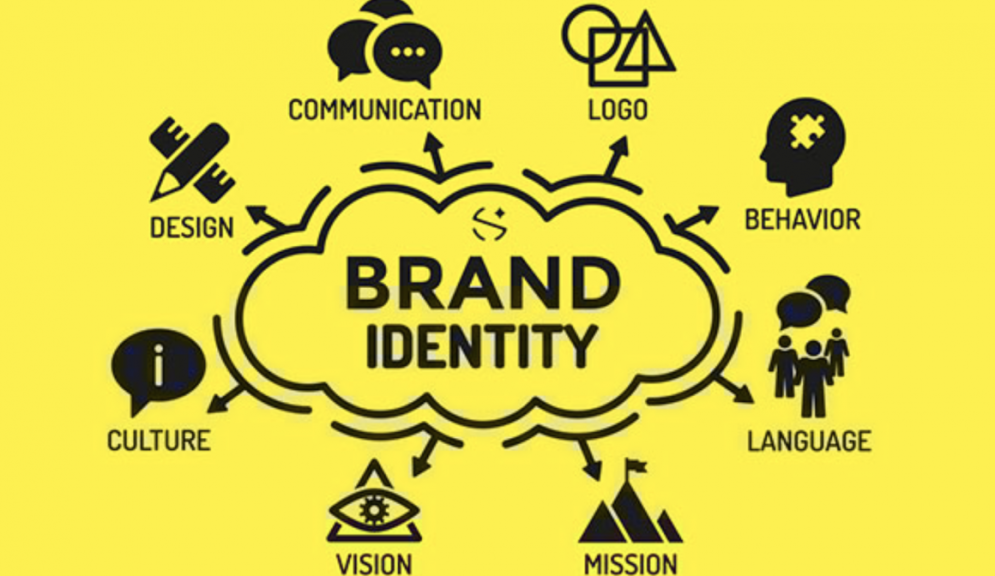
Brand identity refers to everything a business creates to represent itself. This includes visual elements such as logo, color palette, typography, tone of voice, messaging style, and even the core values a brand stands for. It is the intentional and controlled expression of a brand. On the other hand, brand image is the perception formed in the minds of the audience. It is how customers actually see, feel, and interpret the brand based on their experiences, interactions, and external influences.
The difference between these two concepts becomes clearer when we realize that identity is built from the inside while image is formed outside. Identity is what a company tries to communicate, while image is what people believe they receive. This gap between intention and perception can either strengthen a brand or create confusion if not managed properly.
To simplify, brand identity is the message you send, and brand image is the message people understand. Successful branding happens when both are aligned, consistent, and mutually reinforcing. When businesses fail to maintain this alignment, they risk miscommunication, loss of trust, and weak customer loyalty.
This article will break down these concepts in simple terms and explore how they influence each other, why they matter, and how they shape the overall success of a brand in real world scenarios.
Difference Between Brand Identity and Brand Image: Understanding the Core Foundation
To truly understand branding, it is important to start with the foundation of how brands are structured and experienced. A brand is not just a logo or a name, but a combination of visible and invisible elements that create meaning in the minds of consumers. The internal structure of branding focuses on intention, while the external outcome focuses on interpretation.
Brand identity is carefully designed by businesses to express who they are and what they stand for. It is a strategic effort that includes design choices, communication style, and core values. Everything is planned to create a consistent and recognizable presence in the market. This identity acts as a guiding framework for all marketing and communication efforts.
On the other hand, brand image develops over time through customer experiences, opinions, and emotional connections. It is not directly controlled by the business but is influenced by how effectively the identity is communicated and how consistently the brand delivers on its promises. In simple terms, identity is created, while image is perceived.
When these two elements align well, the brand becomes strong, memorable, and trustworthy. However, when there is a mismatch, customers may feel confused or disconnected. This foundation is what determines whether a brand will grow strong recognition or struggle with unclear positioning in the market.
Building Identity from Within
Brand identity is the structured expression of a company’s vision and personality. It includes everything that is intentionally crafted to represent the brand in a consistent manner. This can include visual identity, communication tone, messaging style, and core values that guide decision making.
A strong identity ensures that every interaction a customer has with the brand feels familiar and consistent. It creates recognition and helps build trust over time. Businesses invest significant effort into shaping identity because it serves as the foundation for all marketing activities.
Identity also reflects the long term purpose of a brand. It communicates what the brand believes in and what it aims to achieve. This internal clarity allows businesses to maintain consistency across all platforms and touchpoints.
Without a clear identity, a brand can appear fragmented or inconsistent. This weakens recognition and makes it harder for audiences to connect emotionally. A well defined identity ensures that the brand always speaks with one unified voice regardless of where or how it is presented.
How Public Understanding Takes Shape
Brand perception is the way people interpret and understand a brand based on their experiences and exposure. It is closely connected to brand image, as both reflect how the audience views the brand in real life. This perception is shaped by customer service, product quality, word of mouth, and overall experience.
The difference between brand image and brand perception lies in subtle interpretation. Brand image refers to the overall impression created in the minds of consumers, while perception is the ongoing evaluation of that impression based on continuous interactions. Both evolve over time and are influenced by multiple external factors.
As marketing expert Philip Kotler once said, “A brand is no longer what we tell the consumer it is, it is what consumers tell each other it is.” This highlights how powerful perception has become in shaping brand reality. No matter how strong the identity is, perception ultimately defines success in the market.
When perception aligns with identity, trust grows naturally. However, when there is a disconnect, customers may form opinions that do not match the intended message. This is why monitoring customer feedback and experience is essential in maintaining a positive brand presence.
FAQs
What is an example of brand image and brand identity?
Brand identity is what a business creates such as its visual design, messaging style, and values. Brand image is how customers actually perceive those elements based on experience. For example, a brand may design itself as premium and modern, but if customers experience inconsistent service, the image may differ from the intended identity.
Are identity and image the same?
No, they are not the same. Brand identity is controlled by the business and represents how it wants to be seen. Brand image is formed in the minds of customers based on their experiences and perceptions. One is intentional while the other is interpretive.
What is the relationship between brand identity and image?
Brand identity creates the foundation for communication, while brand image is the result of how that communication is received. The stronger the alignment between both, the more consistent and trustworthy the brand becomes in the market.
What are the 3 P’s of branding?
The 3 P’s of branding are often defined as Purpose, Positioning, and Personality. These elements guide how a brand defines itself, how it competes in the market, and how it connects emotionally with its audience.
What is the difference between a brand identity and a brand image?
Brand identity is the intentional creation of how a brand presents itself, including visuals and messaging. Brand image is the perception formed by customers based on their experiences. Identity is controlled internally, while image is shaped externally through interaction and feedback.
Real World Differences in Action
To understand the difference between brand identity and brand image example, imagine a brand that positions itself as innovative, modern, and customer focused. Its identity includes sleek visuals, clear messaging, and a promise of high quality service. However, if customers experience delays, poor communication, or inconsistent service, their perception will shift.
In this case, the identity remains unchanged, but the image becomes negative. This shows how identity is controlled internally while image is shaped externally. The gap between the two highlights the importance of delivering consistent experiences that match brand promises.
The difference between brand image and brand perception becomes clearer when we look at ongoing customer interactions. Image represents the overall impression, while perception is continuously updated based on new experiences. A single negative experience can influence perception even if the overall image is positive.
When identity, image, and perception are aligned, the brand becomes strong and reliable. However, when there is a mismatch, it creates confusion and weakens trust. Successful brands continuously monitor this balance to ensure consistency between what they promise and what they deliver.
Value Beyond Recognition
Brand equity refers to the overall value a brand holds in the market, and it is deeply influenced by both brand identity and brand image. Strong equity is built when customers consistently recognize, trust, and prefer a brand over others. It represents the financial and emotional value attached to the brand name.
Brand image vs brand equity shows how perception directly impacts value. A positive image increases trust, which leads to higher loyalty and stronger market position. Over time, this strengthens brand equity and allows businesses to charge premium pricing or maintain customer loyalty even in competitive environments.
Brand equity is not built overnight. It is the result of consistent identity expression combined with positive customer experiences. When identity is strong but image is weak, equity suffers. Similarly, when the image is positive but identity is unclear, long term stability becomes difficult.
A well balanced brand ensures that identity and image work together to build lasting equity. This makes the brand more resilient, valuable, and influential in the market.
The Human Side of Branding
Difference between brand identity and brand image: Brand personality refers to the human characteristics associated with a brand. It helps customers relate emotionally by giving the brand traits such as friendliness, professionalism, creativity, or reliability. This personality is a key part of brand identity but is expressed through communication and experience.
A strong brand personality makes the brand more relatable and memorable. It helps create emotional connections that go beyond products or services. When customers feel aligned with a brand’s personality, they are more likely to trust and stay loyal.
Personality also influences how the brand is perceived externally. It shapes brand image by guiding tone, messaging, and interaction style. For example, a brand with a playful personality will communicate differently than one with a formal personality.
Maintaining consistency in personality is essential for building a strong identity. When personality is unclear or inconsistent, it can confuse customers and weaken brand recognition over time.
Strategic Position in the Market
Brand positioning refers to how a brand is placed in the minds of consumers compared to competitors. It defines the unique space a brand occupies and highlights what makes it different. Positioning is a strategic effort that connects identity with market expectations.
A strong positioning strategy ensures that the brand is easily recognizable and clearly understood. It communicates value in a way that resonates with the target audience. This helps shape both identity and image by providing direction for all branding efforts.
When positioning is effective, it becomes easier to build trust and recognition. Customers understand what the brand stands for and how it differs from others. This clarity strengthens both perception and long term loyalty.
Poor positioning, on the other hand, leads to confusion and weak market presence. Without clear positioning, even a strong identity may fail to create a lasting impression.
To sum up, difference between brand identity and brand image: brand identity and brand image may sound similar, but they play very different roles in shaping a brand’s success. Identity is what a business creates to present itself, while image is how people actually perceive it. The key to strong branding lies in keeping both aligned through consistent messaging and positive customer experiences. When identity and image work together, they build trust, strengthen loyalty, and create lasting value in the market.
Add comment