

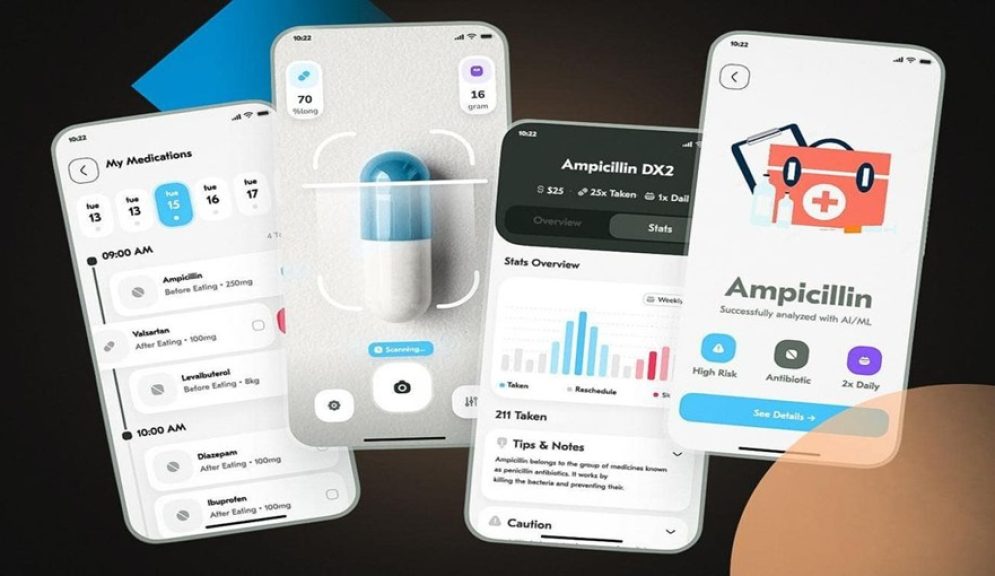
Every great app begins as a simple idea. Maybe you thought of it while waiting in a coffee line, during a late-night conversation with a friend, or after getting frustrated that a certain problem had no easy solution. For many startup founders, that small spark of inspiration becomes the seed for something much bigger: a tool that can transform how people live, work, or connect. App development for startups is about more than writing code or creating a sleek design. It is about taking a raw concept, shaping it into a functional product, and delivering real value to the people who use it. For some, it means finding ways to improve existing solutions. For others, it is about building something entirely new that fills a gap in the market. The beauty of this journey is that anyone with determination, creativity, and a willingness to learn can take part. Of course, the path is not without challenges.
The process involves making decisions about mobile app development technologies, understanding how to balance speed and quality, and figuring out how to market your product even before it launches. There is also the reality of funding. Many first-time founders wonder how to start an app business with no money or how to make smart choices to stretch a limited budget. Luckily, today’s tools, resources, and communities make it easier than ever for new entrepreneurs to start mobile app development. Whether you are exploring cross platform app development for faster reach, researching the best app development for startups, or diving into conversations in spaces like app development for startups reddit, you will find valuable insights to guide your decisions. The real secret to winning big is not just in having the best idea. It is in understanding your audience, building a product they truly need, and continuously improving it based on their feedback.
Step One, App Development for Startups: Define Your Problem and Audience
The most successful startup apps are not born from random inspiration alone. They are built on a deep understanding of a specific problem and the people who experience it. Before you start writing a single line of code or choosing mobile app development technologies, you need to know exactly what issue your app will solve and who will benefit from it. Think of it like building a bridge. You cannot design it until you know exactly which two points it needs to connect. In the same way, you cannot create a winning app without knowing the gap it will fill in people’s lives. This is where research comes in. Spend time talking to potential users, observing their daily challenges, and asking open-ended questions about what frustrates them.
Online communities can be goldmines for this type of insight. Platforms like app development for startups reddit are filled with founders, developers, and everyday users discussing what they wish apps could do better. Pay attention to repeated complaints or unmet needs in these conversations. Those patterns can reveal opportunities for innovation.
Once you identify the problem, define your audience as clearly as possible. Avoid the temptation to create an app for “everyone.” Broad audiences are harder to satisfy because their needs vary so widely. Instead, narrow your focus to a specific group with shared pain points. For example, an app for busy working parents will look very different from one designed for university students or small business owners.
When you know exactly who you are building for, you can tailor your app’s features, design, and even marketing strategy to speak directly to them. This clarity also makes it easier to choose the best app development process and decide whether to start mobile app development with a native or cross platform approach.
In short, defining your problem and audience is not just the first step in app development for startups, it is the foundation for every decision that follows. Without it, even the most beautifully designed app will struggle to win big.
Step Two, Choose the Right Mobile App Development Technologies
Choosing the right mobile app development technologies is one of the most strategic decisions you will make, because it guides how fast you move, how much you spend, and how well your product will perform as it grows. Start by matching technology to your business goals and team skills, not the other way around. If you need maximum performance and full access to device features, native development with Swift for iOS and Kotlin for Android is a strong choice. If you need to reach both platforms quickly and conserve budget, explore cross platform app development options like Flutter or React Native, or consider Kotlin Multiplatform to share core logic while keeping native user interfaces. For web first ideas, progressive web apps offer a low friction path to test demand. On the backend, decide whether a backend as a service like Firebase, a serverless cloud approach, or a traditional stack using Node.js, Django, or Ruby on Rails best fits your scalability plan and hiring options. Pick databases with your data shape in mind, for example Postgres for relational needs and MongoDB for flexible documents. Also weigh developer availability, community and tooling support, testing frameworks, offline and real time requirements, and long term maintenance cost. The smart move is to prototype quickly using the least risky stack to validate product market fit, then commit more fully once user feedback confirms your assumptions.
Step Three, Map Out the App Development Process
App development for startups: Before writing any code, outline your app development process. This should include stages like idea validation, wireframing, UI and UX design, coding, testing, and launch. Breaking the work into stages helps you track progress and avoid costly mistakes. Remember that the first version does not need every feature. Focus on the must haves, then improve as you gather feedback. This approach is especially important if you want to start app development business with limited funds.
Step Four, Build Your MVP and Test Quickly
This is where many startups make their first big mistake by aiming for perfection before launch. Instead, create a functional version, release it to a small audience, and listen to their feedback. This helps you make smarter updates and saves money in the long run.
FAQs
How much does it cost to start up an app development?
A basic MVP may cost a few thousand dollars, whereas a complicated app may cost several hundred thousand. Factors like design, technology choice, and team location affect the price. Careful planning can help you control expenses.
How to make an app for startup?
Start with a clear problem, research your audience, choose the right mobile app development technologies, and create an MVP. Test it with real users and refine based on their feedback before scaling up.
How to find an app developer for your startup?
You can search online communities, freelance platforms, or ask for recommendations from other founders. Look for developers with relevant portfolio work and a good communication style.
How much does it cost to hire a developer for an app?
Experience, geography, and project complexity all affect rates. Freelancers may charge hourly or per project, while agencies have package pricing.
Can I build an app for free?
You can create simple prototypes using free tools, but a fully functional app usually requires some investment. Open source frameworks, no code platforms, and student collaborations can reduce costs significantly.
Step Five, App Development for Startups: Funding and Budget Planning
If you are wondering how to start an app business with no money, the answer is creative resourcefulness. Start with free design tools, open source frameworks, and small developer collaborations. You can also explore crowdfunding, angel investors, or startup competitions to secure funding. Knowing exactly what you need financially helps you avoid surprises. Keep in mind that costs include not just development but also marketing, maintenance, and updates.
Step Six, Marketing Your App Before Launch
Do not wait until your app is live to talk about it. Build curiosity early through social media, blogs, or a simple landing page. Share behind the scenes progress, sneak peeks, and invite early sign ups. If you want inspiration, you can look at start mobile app development discussions online to see how other founders created buzz. Early marketing means you already have potential users ready to download your app on launch day.
Step Seven, Continuous Improvement After Launch
App development for startups: In fact, for startups that want to win big, the real work begins after the first users download your product. Continuous improvement means treating your app as a living, evolving tool rather than a one-time project. Start by gathering data through analytics to see how people are using different features, where they drop off, and which parts of the app keep them engaged. Pair this with user feedback from reviews, surveys, and direct conversations to understand the “why” behind the numbers. Make small, targeted updates regularly instead of waiting for large overhauls, since this keeps your app fresh and shows users you are listening. Prioritize changes that directly improve user experience, fix bugs quickly, and refine features that have the most impact on retention. Watch industry trends and emerging mobile app development technologies so you can adopt improvements before competitors do. Continuous improvement also means adjusting your marketing, onboarding, and even your monetization strategy as you learn more about your audience. The best performing startups view their app as an ongoing relationship with users, where each update strengthens trust and value, paving the way for sustainable growth.
App Development for Startups Common Pitfalls to Avoid
- Adding too many features too soon
- Ignoring user feedback
- Skipping proper testing
- Underestimating marketing efforts
- Choosing the wrong development partner
In the end, App development for startups is a journey that blends creativity, strategy, and persistence. With the right problem to solve, the right technology, and a focused app development process, you can turn an idea into a winning product. Start small, listen to your users, and keep improving. Every big success story began with one simple step, so take yours today and start building the app that could change your future.
- Tags : app development for startups, App development for startups reddit, App development process, Best app development for startups, Cross platform app development, Mobile app development technologies, start an app business with no money, start app development business, start mobile app development