
Every big idea starts small, sometimes as just a passing thought. You might have felt that spark before, maybe during a walk, a conversation with a friend, or while scrolling through something completely unrelated. Suddenly, something clicks, and you think, “What if I could make this happen?” That moment is the first step in concept creation, and it is where innovation truly begins. Many people think creativity is random, like lightning striking out of nowhere, but there is actually a science behind it. Your brain is constantly processing information, forming new connections, and searching for patterns. When the right pieces fall into place, a fresh idea appears. This is why concept development feels magical, but the truth is you can train yourself to do it more often and with more confidence. The exciting part is that concept creation is not reserved for artists or inventors.
It belongs to everyone. Whether you are working on a new business idea, planning a marketing campaign, writing a book, or solving an everyday problem, you are already using this skill. The difference between an idea that stays in your mind and one that changes the world is how you develop it. Understanding the science behind this process can unlock your concept development superpower. It can help you find inspiration faster, develop ideas with less frustration, and create solutions that actually work. If you have ever looked at concept development examples from successful companies or admired creative concept marketing examples that went viral, you might have wondered how they did it. The answer is not luck but a repeatable process that combines creativity with strategy. Let’s explore how you can use this process to shape your own ideas, turn them into reality, and make an impact.
The human brain is a powerhouse of creativity, and understanding how it works can completely transform the way you approach concept creation. Your mind is constantly processing information, even when you are not actively thinking about a problem. This is why inspiration often strikes in moments when you least expect it, like while cooking, taking a walk, or even right before falling asleep. Scientists call this process incubation, where your subconscious mind quietly works on connecting different pieces of information until a clear idea emerges. To take advantage of this, you need to feed your brain with fresh material. Read widely, watch documentaries, explore different cultures, and observe how people interact with the world around them. The more raw material you give your brain, the more likely it is to form unique connections that lead to strong ideas.
Some of the most fascinating concept creation examples come from people who are naturally curious about everything. They do not limit themselves to one field or one way of thinking. For instance, a designer might get inspired by architecture, a writer might learn from music, or a business owner might borrow strategies from nature. This cross pollination of ideas sparks creative breakthroughs. Even creative concept marketing examples that go viral often come from combining simple observations with clever storytelling. When you understand how your mind forms ideas, you stop waiting for inspiration to magically appear and instead create the conditions for it to show up more often.
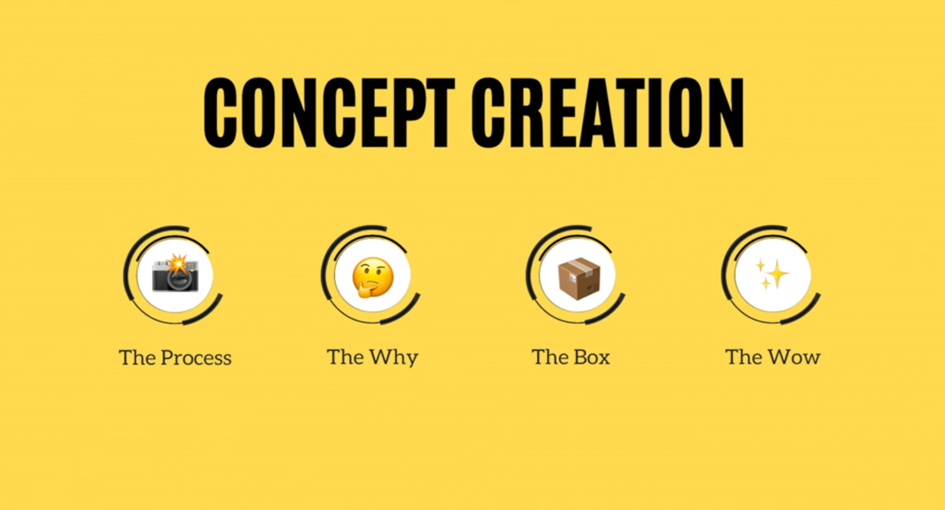
Creativity often feels free flowing and spontaneous, but the truth is that structure plays a major role in turning raw ideas into real innovations. Think of structure as the framework that supports your imagination. Without it, even the best ideas can stay scattered and never reach their full potential. When you look at concept development examples from successful projects, you will notice they all follow a pattern. There is usually a research phase to gather insights, a brainstorming phase to generate ideas, a refinement phase to polish the best ones, and finally a testing or execution phase to bring them to life. This step by step process does not limit creativity, it actually enhances it by giving your thoughts direction.
Imagine a writer trying to craft a novel without any plan. They might have brilliant characters and scenes in mind but struggle to connect them into a story. The same happens with concept creation. Having a clear process allows you to take those random sparks of inspiration and organize them into something that makes sense. Even creative concept marketing examples often start with a structured brief that defines the audience, the message, and the goal before the fun brainstorming begins. This balance of freedom and discipline is what separates a passing idea from an innovative solution that works in the real world. Structure is not the opposite of creativity, it is the tool that helps your creativity shine.
What is concept creation?
Concept creation is the process of taking an idea and developing it into a clear, actionable plan. It involves brainstorming, refining, and shaping thoughts into something that can be shared, tested, and turned into a real product, project, or campaign.
What is the concept of creation?
The concept of creation refers to the ability to bring something new into existence, whether it is an invention, a work of art, or a solution to a problem. It is about combining imagination with action to produce a tangible outcome.
How do you create a concept?
You create a concept by first collecting ideas, then organizing them, and finally developing them step by step. This may include researching, sketching, writing, prototyping, and testing until the concept feels strong and ready to launch.
What are the 4 stages of concept formation?
The four stages usually include preparation, where you gather information, incubation, where ideas take shape in the background, illumination, when the idea clicks, and verification, where you test and refine it.
What is a concept and its types?
A concept is an abstract idea or plan that represents something you want to create. Its types can include product concepts, marketing concepts, design concepts, or business concepts, each focused on a different goal but built on the same process of development.
No great idea is born fully formed. Concept creation is like sculpting, where you start with a rough block and slowly shape it until it becomes something beautiful. Each stage adds clarity and depth. If you are working on marketing, you will notice that the best creative concept marketing examples begin with a simple message. Then they build layers of visuals, storytelling, and strategy until it becomes a campaign that captures attention.
One of the most exciting parts of concept development is that inspiration can come from anywhere, often when you least expect it. Many people believe they need to sit at a desk and force themselves to think until the perfect idea appears, but the truth is that fresh concepts often appear when you step away from your usual routine. Take a walk, visit a museum, listen to a podcast outside your industry, or strike up a conversation with someone who has a completely different background. These small actions open your mind to new perspectives. When you expose yourself to a wide variety of experiences, you give your brain more building blocks to work with.
History is full of concept development examples that were born from random observations. A famous scientist once got the idea for a breakthrough simply by watching an apple fall from a tree. Many creative concept examples in advertising and design come from observing everyday life and spotting patterns others miss. Even creative concept marketing examples that go viral often draw inspiration from cultural trends, humor, or relatable moments. The secret is to stay curious and open minded, collecting ideas like puzzle pieces, even if they seem unrelated at first. Later, when you begin shaping your concept, these pieces will connect in surprising ways and lead to something truly original. Inspiration is everywhere, you just have to be willing to look beyond the obvious.
Having a brilliant idea is exciting, but ideas alone do not change anything until you bring them to life. Turning ideas into action is where concept development becomes powerful. Start by creating a simple plan for how you want to test your idea. It does not have to be perfect, just something small and practical that lets you see if it works. For example, if you are working on a marketing campaign, create a basic mockup or run a small test with your audience. If you are designing a product, build a quick prototype with the resources you already have. The goal is to move from thinking to doing. Many great concept development examples show that momentum is what separates dreamers from innovators. Action gives you feedback, feedback helps you refine your work, and refinement leads to something stronger. If you look at concept development examples from top creators, you will notice that their first versions were often far from perfect, but they kept improving them step by step. Each small action builds confidence and brings your concept closer to reality. This is the stage where your concept creation superpower truly shows its value because you are no longer just imagining possibilities, you are shaping them into something that others can see, use, and connect with.
In the end, the science behind concept creation and innovation proves that creativity is not just for a lucky few. It is a skill you can learn, practice, and strengthen. By understanding how your mind works, using structure to refine ideas, and seeking inspiration everywhere, you unlock your concept development superpower. Every idea has the potential to grow into something meaningful if you give it time and attention. Whether you are studying concept development examples or brainstorming your own creative concept marketing examples, remember that the process is just as important as the result. Keep experimenting, keep shaping, and keep turning your ideas into action.
