

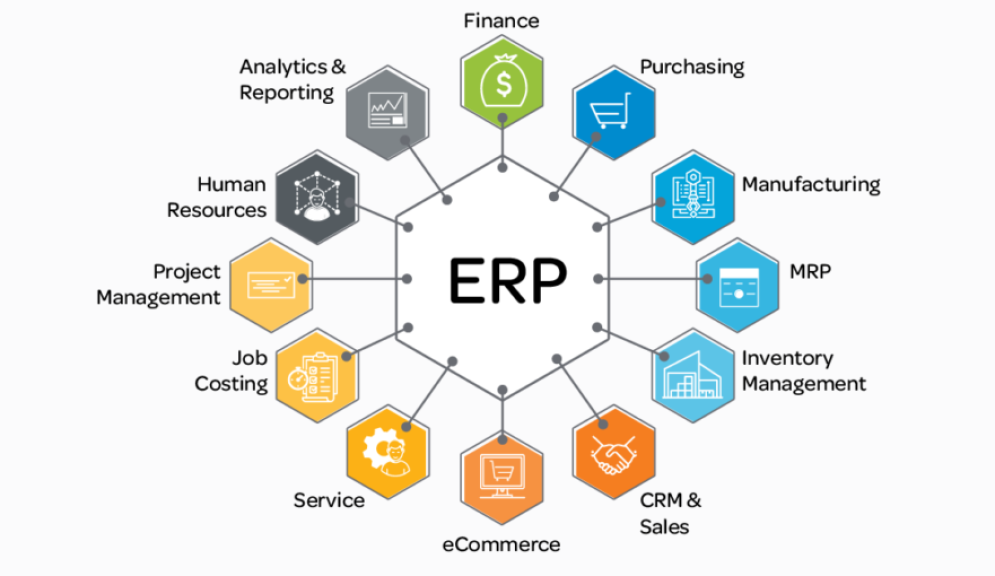
Running a business has never been simple, but in today’s fast paced environment, the challenges feel even greater. Customers expect quick service, managers need accurate data at all times, and employees juggle multiple responsibilities daily. Yet, in many organizations, teams are still stuck using outdated methods like spreadsheets, disconnected software, or manual record keeping. While these methods might feel familiar, they often create more problems than solutions. Errors slip in easily, important information gets lost, and employees spend hours repeating tasks instead of focusing on what really matters. Over time, these inefficiencies turn into wasted money, frustrated staff, and missed opportunities. This is where ERP systems step in to change the game. ERP, which stands for Enterprise Resource Planning, is designed to bring different business functions together into one unified platform. Instead of each department working in isolation, everyone can access the same real time data, whether they are in finance, sales, supply chain, or human resources. Imagine a company where a sales order automatically updates inventory levels, triggers purchase requests, and adjusts financial records, all without a single extra step. That is the power of ERP.
What makes ERP even more appealing is that it is not just for large corporations with big budgets. Smaller businesses and startups can also benefit because ERP system simplify processes, provide transparency, and reduce unnecessary costs. With automation handling repetitive work, employees gain more time to think strategically, innovate, and focus on delivering better results. In short, ERP system are not just pieces of software, they are powerful tools that help businesses operate smarter, faster, and leaner. In the sections ahead, we will explore how ERP system improve productivity, cut costs, and provide long term value. You will also discover different types of ERP system, practical ERP systems example, and what makes the top ERP system stand out.
How ERP Systems Boost Productivity
One of the biggest advantages of using ERP system is the way they eliminate repetitive manual work. Instead of employees spending hours entering data into different spreadsheets, the ERP system automatically updates information across all departments. For example, when a sales order is entered, the system instantly reflects it in inventory, finance, and supply chain records. This saves time and reduces errors. Collaboration also improves because all employees have access to the same real time data. A manager in accounting can instantly see updates from the sales team, and a warehouse staff member can track changes without waiting for emails or phone calls. Another productivity boost comes from automation. Tasks like invoice generation, payroll processing, and purchase orders can be automated through ERP. Automation not only reduces manual effort but also frees up employees to focus on more meaningful and creative work. The result is a workforce that spends less time on repetitive tasks and more time on strategies that actually grow the business.
How ERP Systems Help Cut Costs
Cutting costs is one of the most practical reasons companies turn to ERP system. Every business, no matter its size, deals with hidden expenses caused by inefficiency, duplication of work, and poor visibility. ERP addresses these challenges by streamlining processes and eliminating unnecessary spending. For example, with real time inventory tracking, companies can avoid both overstocking and stockouts. Overstocking leads to money tied up in products that sit in storage, while stockouts can cause missed sales and disappointed customers. By striking the right balance, ERP saves money on storage costs and helps maintain steady revenue. Another major area of savings comes from automation. Routine tasks like invoice creation, payroll, purchase orders, and expense tracking are automated, which reduces the need for additional administrative staff and lowers the risk of costly human errors. ERP system also strengthen financial control. Managers can set budgets, monitor expenses in real time, and identify overspending before it becomes a problem. An ERP system in accounting plays a big role here, offering detailed reports that highlight where resources are being drained and where they can be optimized. In addition, ERP improves workforce efficiency by giving employees the tools to work faster and smarter, which indirectly reduces labor costs. Even small gains in productivity across multiple departments can add up to significant savings over time. Whether it is reducing waste, improving resource allocation, or avoiding penalties due to errors, ERP system help businesses operate leaner and more cost effectively. Instead of constantly reacting to financial challenges, organizations equipped with ERP can plan ahead with clarity and confidence, turning cost cutting into a sustainable strategy.
Types of ERP Systems
Not all ERP systems are built the same, and understanding the types of ERP system helps businesses choose the solution that best matches their size, budget, and long term goals. On premise ERP is installed directly on a company’s servers and managed by its own IT team. This option is often preferred by large organizations that require complete control over data, customization, and security, though it usually comes with higher upfront costs. They have become increasingly popular among small and medium businesses because they require lower initial investment, offer subscription based pricing, and can be accessed from anywhere with an internet connection. This flexibility makes them a strong choice for businesses with remote teams or those looking for scalability without the burden of maintaining physical infrastructure. Companies that want the security and control of on premise solutions, but also the flexibility and cost benefits of cloud, often choose this model. Beyond these categories, there are also industry specific ERP system designed for manufacturing, healthcare, retail, and services, which provide tailored features to address unique needs. Ultimately, the types of ERP system available today give businesses the freedom to choose a model that fits their operations, whether they need advanced customization, cost efficiency, or a balance of both. Selecting the right type is less about choosing the most popular option and more about aligning technology with business goals.
ERP Systems Examples and Top ERP Systems
When exploring ERP system examples, it becomes clear that businesses today have a wide range of choices, each designed to suit different industries and company sizes. Some of the most recognized names in the ERP systems list include Oracle ERP, SAP, and Microsoft Dynamics. These platforms are often referred to as top ERP system because they combine powerful features with proven reliability. For instance, Oracle ERP is especially popular among businesses that want strong financial management, advanced analytics, and the ability to scale as the company grows.
Beyond these well known names, there are also industry specific ERP solutions tailored for manufacturing, retail, healthcare, or services, which shows how versatile ERP can be. What makes these systems stand out is not just their ability to handle accounting or inventory, but the way they connect every aspect of business management into one centralized hub. This means a company can reduce inefficiency, gain real time visibility, and make faster, smarter decisions. By reviewing a detailed ERP system list, businesses can compare options based on features, cost, and scalability to choose a solution that truly fits their needs. In many ways, selecting one of the top ERP system is not just a technology decision, it is a long term strategy that influences growth and competitiveness.
FAQs
What is an ERP system example?
An ERP system example would be Oracle ERP, SAP, or Microsoft Dynamics. These platforms bring together multiple business functions like finance, supply chain, and HR into one integrated system that improves efficiency and data accuracy.
What is the most common ERP system?
Some of the most common ERP system globally include Oracle ERP, SAP, and Microsoft Dynamics. These solutions are widely adopted by businesses of all sizes because of their flexibility, scalability, and wide range of features.
What is ERP vs CRM?
ERP focuses on managing the internal processes of a business such as finance, inventory, and HR, while CRM is mainly about managing customer relationships, sales, and marketing. Together, both tools complement each other to give businesses a complete management solution.
What are the three main ERP systems?
SAP, Oracle ERP, and Microsoft Dynamics are the three primary ERP system that are frequently mentioned in the industry. Each of these platforms is highly regarded for its extensive features and ability to serve large enterprises as well as growing businesses.
Is Excel an ERP system?
No, Excel is not an ERP system. While Excel can be useful for managing data, it lacks the integration, automation, and real time capabilities that ERP system provide. ERP is a complete platform designed to handle complex business operations in a way Excel cannot.
ERP Systems in Accounting
Among the many areas where ERP truly shines, accounting often benefits the most. Financial management is the backbone of any business, and an ERP system in accounting helps ensure accuracy, transparency, and efficiency. Instead of manually entering data into spreadsheets or switching between different software, ERP allows businesses to bring all financial tasks under one roof. This includes everything from managing accounts payable and receivable to budgeting, tax compliance, and payroll. The system automatically records transactions in real time, which means leaders always have up to date financial data at their fingertips. For example, when a customer makes a purchase, the system instantly updates revenue records, adjusts inventory, and creates invoices without the need for extra steps. This not only reduces the chance of human error but also ensures compliance with accounting standards and regulatory requirements. ERP also makes financial reporting effortless. Detailed reports and dashboards can be generated in seconds, providing insights into cash flow, profit margins, and future forecasts. Another advantage is the integration of accounting with other departments. Since the accounting module is connected to sales, supply chain, and HR, it gives a complete picture of the company’s financial health rather than isolated data. This helps decision makers spot cost saving opportunities, monitor performance, and allocate resources more effectively. In short, an ERP system in accounting is not just about crunching numbers, it is about creating a smarter, more reliable financial management process that supports growth and stability.
To sum up, ERP systems have become more than just tools, they are essential partners in modern business management. By automating tasks, improving communication, and providing accurate real time data, ERP system boost productivity across departments. At the same time, they help cut costs by eliminating inefficiencies, reducing errors, and optimizing resources. From exploring different types of ERP system to reviewing top ERP system and ERP system examples, it is clear that these platforms are reshaping the way businesses operate. Whether it is Oracle ERP or another solution from the ERP system list, the right choice can transform a company’s efficiency and financial health.