

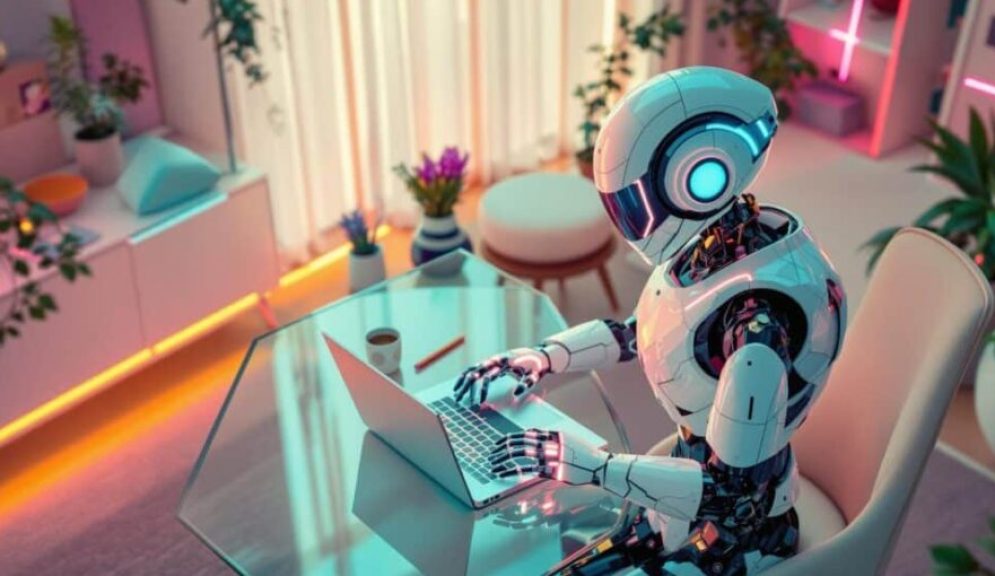
Creative work has always been a place shaped by curiosity, experimentation, and imagination. In recent years, a major shift has taken hold as emerging digital platforms and advanced intelligence systems move into the creative process. These tools are not meant to replace human expression. Emerging design tools and AI in creative work: They open new paths for creators who want to explore fresh ideas, speed up complex tasks, and bring stronger stories to life with less effort. What makes this moment feel different is the natural flow between human creativity and intelligent technology. Ideas can move from a rough sketch to a clear concept in moments. Designers can try multiple styles, adjust colors in real-time, and turn a basic thought into a polished visual faster than previous generations could work with.
This change is not just practical. It also feels inspiring. Many creators describe a sense of new possibility as they discover how smoothly imagination blends with the power of modern systems. Some of today’s most exciting breakthroughs come from people who are open to experimenting with new tools. The rise of AI design tools in 2025, rapid concept builders, and systems that shape visual ideas instantly is expanding what creators can achieve. Industrial designers are finding new direction through AI tools. Graphic artists are improving their pace with the best AI tools for graphic designers. Across every field, creators are beginning to see these platforms not as cold machines but as supportive partners that help bring bold ideas forward.
This article looks at how these tools are reshaping creative work, why so many professionals are adopting intelligent design companions, and what the future may offer to artists who welcome this evolving relationship between creativity and technology.
The Rise of Emerging Design Tools and AI in Creative Work Assistance
The creative process has always required a combination of skill, intuition, and technical knowledge. In the past, many ideas took long hours of manual revision and detailed exploration. Today, emerging design tools introduce a new kind of support that speeds up the work without reducing the artist’s role. These systems analyze patterns, recognize styles, and predict what a user might want next. This creates a smoother and more fluid creative experience that feels more like a partnership than a tool.
The shift toward intelligent assistance is especially visible in fields that rely heavily on digital visuals. Best free AI tools for designers can explore countless layouts in moments, refine colors with precision, and generate variations on a theme with only a brief prompt. This is one reason many professionals prefer the best AI tools for graphic designers, which help them stay ahead of tight deadlines while still producing strong and appealing results. Instead of starting from scratch each time, creators can build on smart suggestions and quickly shape their work into something distinct.
Industrial design is experiencing its own transformation. AI tools for industrial designers support advanced modeling, structural testing, rapid prototyping, and creative experimentation. The tools offer early-stage insights that would normally take hours of manual calculation or trial. Designers can test shapes, materials, and functions in real time, which leads to more innovative products. This shift is not about replacing the designer. It is about enriching the process with faster prediction and expanded problem-solving.
Speed and Efficiency Without Losing Artistic Control
One of the biggest concerns among creators has always been the fear of losing personal style. Yet the opposite is happening. Emerging design platforms provide speed and efficiency while still leaving full control in the hands of the human creator. Artists can explore new directions, refine rough ideas, and achieve a polished outcome without giving up the heart of their original vision.
These tools remove small repetitive tasks that once slowed down progress. Instead of spending hours adjusting tiny details, creators can let the system handle routine steps so they can focus on the deeper artistic choices that shape the final result. This is especially helpful in line work, complex color balancing, and variation testing.
The real advantage is that creators gain more room to experiment. When the cost of trying something new becomes smaller, the willingness to explore grows. Many designers report that with AI design tools in 2025, they can now produce more versions of a concept and compare them side by side. This leads to better results because the final choice is based on wider exploration rather than the first workable draft.
New Possibilities for Collaboration
Collaboration has always been a major part of the creative industries. Emerging design tools and AI in creative work systems introduce new ways for teams to share ideas, refine concepts, and bring projects to life more efficiently. Real-time collaboration allows multiple people to see updates at the same time. Team members can add ideas, test alternatives, and review results without long waits between stages.
These new tools also offer smoother communication for creators working across different parts of the world. Files sync automatically, changes appear instantly, and intelligent suggestions help maintain style consistency across the entire team. This makes the creative process feel more natural and ensures that everyone contributes their best ideas.
As AI continues to advance, cross-disciplinary collaboration becomes even easier. Writers can work with visual designers, engineers can work with artists, and marketing teams can work with product creators. The tools unify different worlds, giving each creative discipline a shared environment where imagination grows.
FAQs
Which AI tool is used for designing?
Many tools are used for designing, but the ideal choice depends on the type of creative work. Some systems focus on visual layout while others support 3D modeling or rapid concept generation. Most modern platforms combine multiple features and allow users to explore many creative directions without losing control of their personal style.
How to use AI for creative design?
You can use AI for creative design by starting with a simple idea or prompt and guiding the tool through your preferred style. These systems help you create quick variations, test colors, refine layout choices, and explore multiple concepts without repeating heavy manual work. Over time, you learn how to give clearer instructions, which leads to even stronger creative results.
Is it how do AI design tools help with creative projects?
AI design tools help creative projects by reducing repetitive work and giving creators the ability to test new concepts instantly. They offer suggestions, speed up revisions, support complex modeling, and reveal fresh visual ideas that artists might not have considered on their own. The result is a smoother workflow and a final project with a stronger visual impact.
Which AI tool is best for creative ideas?
The best tool for creative ideas is the one that matches your style and project needs. Some platforms focus on quick idea generation while others provide detailed controls for refinement. Many creators prefer tools that balance suggestion with freedom, helping them enhance creativity without limiting personal expression.
What are the 7 main types of AI?
The seven main types of AI are reactive machines, limited memory systems, theory of mind systems, self-aware intelligence, narrow intelligence, general intelligence, and superintelligence. These levels represent the progression from simple task-based responses to advanced systems that can understand context, emotion, and complex decision-making.
Enhancing Creative Confidence
One of the most surprising benefits of emerging design tools is the boost they give to creative confidence. When artists have access to fast idea testing, instant revision, and reliable intelligent feedback, they feel more comfortable pushing their ideas further. Instead of worrying whether a concept will work, they can try it immediately and see the results.
Young designers especially appreciate this freedom. The tools offer a place to learn, experiment, and discover personal style without the fear of making irreversible mistakes. The experience becomes more enjoyable because failure becomes part of the journey instead of an obstacle.
Professionals benefit as well. With the best AI tools for graphic designers and advanced platforms for industrial creators, the entire process becomes smoother and more rewarding. The time saved allows them to take on more projects, deliver stronger results, and develop deeper creative strategies.
A Look at the Future of Emerging Design Tools and AI in Creative Work
Looking ahead, the world of creative work will continue to evolve. AI design tools 2025 show strong signs of expanding into fields like immersive design, real-time 3D concepting, and advanced texture generation. Future systems may recognize emotion, tone, and artistic intention with greater precision. This could lead to creative tools that feel even more intuitive and responsive to human imagination.
The most exciting part is that the boundary between idea and final result will continue to shrink. A simple concept spoken aloud or a rough sketch may soon turn into a fully rendered visual concept in seconds. This will open the door for creators who once believed they lacked the technical skills to pursue certain forms of art. It will also support professionals who want deeper customization and more powerful features.
In the coming years, creative work will likely become more personal, more expressive, and more inclusive. These tools will help creators achieve their visions in once impossible ways. As long as humans continue to lead the direction, technology will remain a strong partner in building a future where imagination is truly limitless.
In the end, emerging design tools and AI in creative work systems are transforming the creative world in profound ways. They remove repetitive tasks, expand experimentation, and give creators more freedom to shape ideas with confidence. From AI tools for industrial designers to the best AI tools for graphic designers, these platforms open new paths for exploration and innovation. As the industry continues to shift toward smarter and more intuitive systems, creative work becomes faster, more expressive, and more accessible. The future belongs to creators who embrace these evolving tools and use them to push imagination further than ever.